Select Page
7 secrets about creativity for writers

7 secrets about creativity for writers

I have this friend who makes the best recommendations. The best true crime podcasts, the creepiest movies, the most affordable skincare dupes and perhaps most importantly the finest spoof Instagram accounts… the scope of her knowledge knows no bounds but yet always spot on.

She got me onto Lady Grey tea over a year ago and now I drink it daily. I didn’t know this tea EXISTED and now I wake up in the middle of the night and panic at the thought of running out (you can only find it in the big supermarkets or on Amazon, you won’t find it in your local shop like you would regular tea bags) ANYWAY….. I bring up this magnificent tea choice for reasons that will become clear, I promise.

I’m writing this blog post to share everything, or at least some of the things, that I know about creativity

Because the last twelve months have been a creative headfuck for most writers I know. People who normally have all day to themselves have suddenly lost all that time to homeschooling. Those who thrive in the hustle and bustle of their local cafe feel stifled by their own four walls. We’ve had our worlds turned upside down and routines are out of whack. And while I would never make anyone feel bad about lacking creativity, I think we can all learn to cultivate it in our daily lives. So here’s my two cents…

1. Your environment matters 

I listened to a podcast recently where bestselling author Matt Haig revealed that he chooses to work on his sofa instead of a perfectly good desk. My intense repulsion towards this image made me realise how important my setup is as a writer. I just assumed that like me, everyone else was – call me crazy – working at a desk.

But it turns out I’m wrong. Some people write in bed, others on trains and planes. I must admit, I do miss the weird coworking vibe that came from settling into Cafe Nero pre-pandemic, so my setting definitely affects my mental state.

But having an ideal setup, whatever that means to you, doesn’t mean it’s your only setup. Being forced to sit at my desk with no alternative (other than the bed) has taken me out of my head. It’s made me realise that maybe I was travelling to different locations as a procrastination technique and not necessarily for creativity’s sake. But I do stand by the notion that desks are inherently better than beds purely because of the back pain that comes from hunching over a laptop for too many years. You’ve been warned. 

2. Focusing on the outcome affects your mindset

And not necessarily in a good way. Writers (and particularly content creators) are often told to think about the audience. To write in a way that targets the ideal reader.

This makes sense of course. If you’re explaining quantum physics to a teenager you’ll need to use language that they’ll understand otherwise the writing will read like wet spaghetti, nothing will stick. Yes, it’s wise to think about who will read your work and how they’ll interpret your words, but what if you wrote without thinking about anyone at all? How much more freedom would you have in your work if you wrote like no one would ever read it? Would you write more fearlessly? Approach subjects out of your comfort zone? Try fiction instead of personal essays? Dabble in a new genre?

Writing for other people serves a function. It provides value. But not all writing needs to be for other people. Value can be the art itself  and when you create from a place of selfishness you often create your best art. Because it’s work that you’re intensely passionate about. 

3. You’ve been sold a lie about creativity 

When you signed up to be a writer, did you imagine sitting in a log cabin, with a stunning view, furiously typing out a bestselling novel? The reality is that a lot of writers have humble beginnings and continue to work in quiet ways.

As part of my Inspire, Write, Repeat course I’ve been getting up early one day a week to write as part of a group. This kind of accountability is not glamorous, but it’s an absolute necessity for people like me who will always find something else to do other than writing. We need to find ways to show up and write regularly, and it can be a struggle. I don’t feel good about everything I write. I don’t feel excited at the prospect of a blank page. I dread writing a lot of the time, but I also know that I love it once I get going. So I commit to doing it repeatedly until I create something I’m happy with. 

Want to learn the basics of creative writing from a published author? I got you.

4. Consistency does (kind of) matter 

I hate this idea that we need to sit down and write every day. I have anxiety and depression, so the idea of doing anything consistently on a long term basis feels inconceivable to me. My moods are erratic and my energy levels are so unpredictable that I need downtime and days off to prioritise my wellbeing.

So here’s the secret: consistency doesn’t necessarily mean writing at the same time every single day. Consistency means something different to everyone. It might mean writing a few times a week when you feel the urge.

Sometimes I write early in the morning, but most of the time I do it in the evenings or on a Sunday afternoon. I just chip away at my projects when I feel drawn to the page (unless I’m on a crazy deadline and then all my plans go out the window of course) and I’ve managed to build a successful business and write two books this way, so if I’m wrong I don’t wanna be right.

5. We are brilliant at talking ourselves out of creative work

I hate doing housework, so I know I’m procrastinating when I find myself dusting the skirting boards instead of opening up my laptop. The thing about being creative is that it feels vulnerable because it forces us to look inwards and really examine what’s there. We put an element of ourselves on the page and then show it to other people, risking criticism, failure, humiliation. So is it any wonder we put off doing it? Forgive yourself for finding writing scary, but don’t let it put you off. When you let your guard down you might just find what you’re looking for.

6. Stop the information overload

Ok hear me out, but one of the lessons I’ve learned in the last twelve months is that consuming is not the same as creating. I’m committed to honing my craft as a writer, so I’ve read a lot of books on the subject. Here are my recommendations (affiliate link). But there comes a time when you need to press pause on learning about writing from other people and learn from actually doing the writing itself.

I was gifted a membership to Masterclass last year and it’s been amazing to watch tutorials from the world’s best authors, screenwriters and business people. But I can’t help but wonder how spending upwards of ten hours a week listening to the greats compares to spending the same amount of time writing words on the page.

Which option would make me a better writer? Which option would get me closer to my goals? Which option would teach me more about my capabilities as a writer? I think we both know the answer. 

7. Tea and toast will make you a better writer

There’s no scientific proof to back this up but just believe me, it works. Because tea and toast means a break. Tea and toast means fueling yourself. Tea and toast means taking a step away before resting and going in with a fresh pair of eyes. Taking a moment to yourself amidst a creative project is like coming up for air, giving yourself a chance to get the energy you need to push on, to create more, to create better.

Seriously, tea and toast….and yes obviously I’m saying Lady Grey tea makes you marginally more creative than regular tea but thems just the facts.

Need some accountabilty? Join my online writing workshop on January 16th!

5 of the best books for freelancers

5 of the best books for freelancers

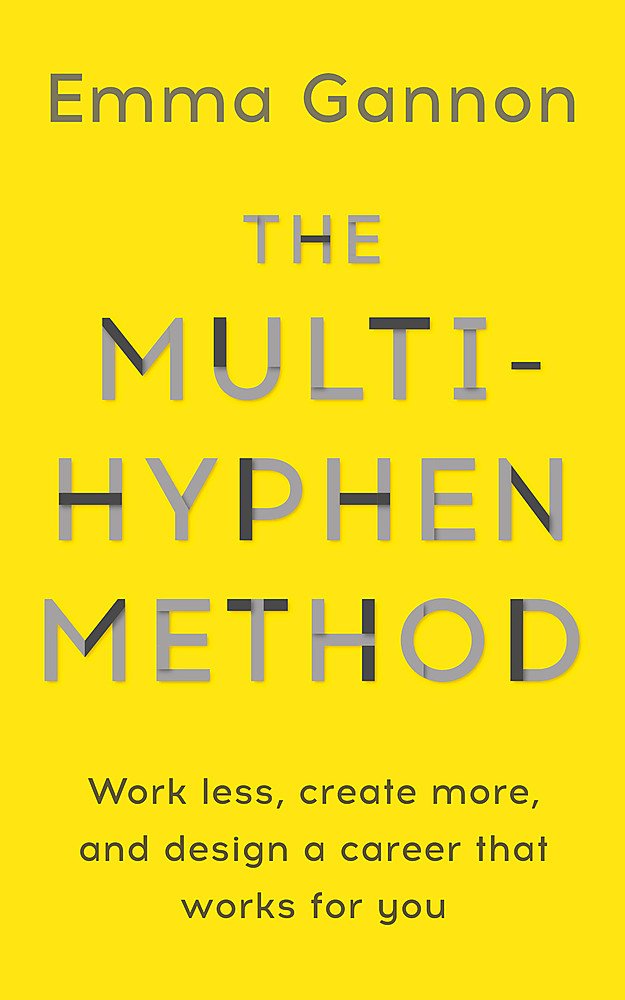
1. The Multi-Hyphen Method by Emma Gannon

Although this book isn’t written exclusively for freelancers, it’s certainly a permission slip for anyone who is thinking about making the leap.

Emma Gannon talks alot about the rise of the side hustle and why everyone should have one, even if it’s just for fun.

I read this a few years ago before I had fully considered becoming a full-time freelance writer and it gave me a friendly nudge in the right direction. If I hadn’t read this book, I may never have dared to dream that starting my own business was even possible.

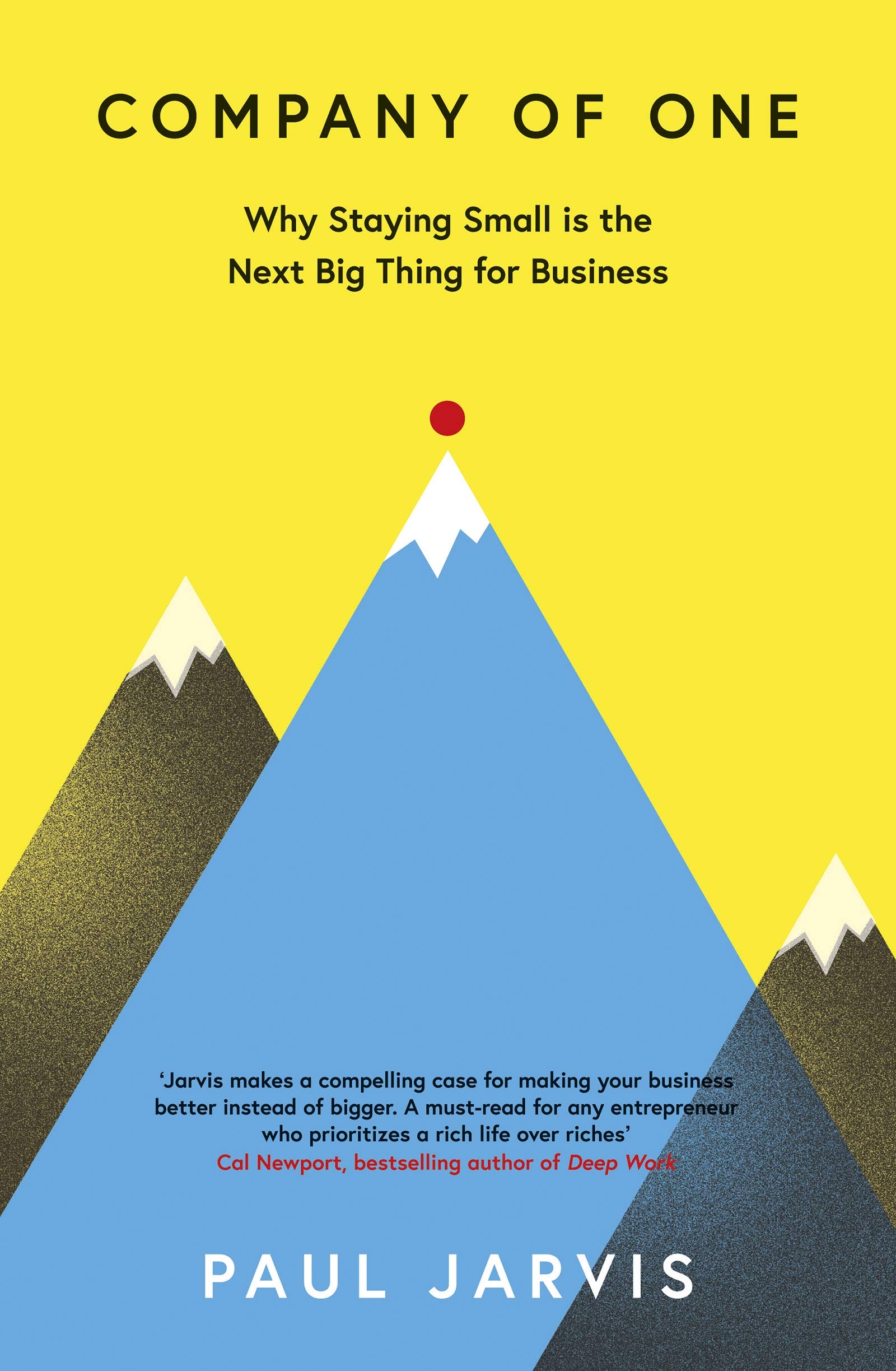
2. Company of One by Paul Jarvis

I’m only halfway through this book but I wanted to include it because I already feel like it’s shifted my mindset as a freelancer.

When you’ve been freelancing for a few years it can be easy to fall into the trap of thinking that you need to become a brand or a limited company to create a sustainable business model. This book refutes that idea, stating that staying solo is a sensible way to maintain flexibility as a freelancer.

If you dream of setting up multiple offices or managing a team then this book isn’t for you. But if, like me, you want to learn how to grow a business whilst working alone then this will definitely provide you with some helpful advice.

3. Hype Yourself by Lucy Werner

Outsourcing to a PR agency just isn’t an option for most freelancers.

Luckily, Lucy Werner has distilled her years of knowledge into a book which means that you won’t have to.

This book is incredibly practical, so prepare to fill a notebook as you work through the exercises and create to-do lists, boiler plates and lists of content ideas to promote yourself without ever needing to hire a professional.

4. Book Yourself Solid by Michael Port

The thing I loved about this book was the focus on figuring out the clients you want to work with. As a freelancer, I spent the first few years of my career saying yes to every and any piece of work that drifted my way. But Port encourages you to go through your current client list and be honest about who your enjoy working with and who you don’t.

He suggests culling the dud clients, which I’ve actually done. I’m not saying it was easy (farewell, steady income!) but it kick-started a whole new phase in my business where I’ve started tailoring my packages and marketing to attract the right people. The result? I’ve completely fallen in love with my work again.

5. Out of Office by Fiona Thomas

In my book about freelancing, I wanted to hold my hands up and admit that I don’t know everything.

But that’s kind of the point. If I can make a go of freelancing whilst flying by the seat of my pants, then you can too.

For example, I didn’t have business insurance until I was halfway through writing Out of Office, and I only fully committed after interviewing Dinghy about how their services worked. I address all the questions that you’ve been too scared to ask (can you claim coffee as a business expense?) and all the ones you didn’t think you’d ever have to (how do you cope with burnout?).

If you want even more behind-the-scenes tips on living the Out of Office life don’t forget to listen to my podcast.

What are your favourite books about freelancing? Let me know in the comments below!

Episode 3: Finding direction when you hate your job

Episode 3: Finding direction when you hate your job

I wanted this episode of Out of Office to really speak to people who are feeling a bit lost. Because I think we’re all been there right? We’ve all been in those types of jobs where you’re constantly watching the clock from 9.01am, you’ve eaten your lunch by 10am just out of pure boredom, and maybe the work you’re doing is unfulfilling or you just don’t give a shit about the stuff you’re responsible for. I felt like that quite honestly, most of my life until I was thirty years old.

I won’t go into too much depth about my history here but basically, I was always creative as a child. Writing stories, drawing, drama club. Singing and acting. Playing the piano. I loved music and ended up studying music at university. Then reality hit and I realised that working in the music industry just wasn’t a passion of mine so I graduated uni and took a promotion at the cafe I had been working in when I was a student. I then spent the next 5 or 6 years in various management roles in the catering industry. I didn’t hate my life but I was very unhappy, anxious and stressed for the majority of my working day and my life in general.

This episode delves into why I went freelance and how you can figure out what passions you might be able to follow in self-employment. I’ve also got Ali from The Positive Planner sharing her thoughts on the power of journaling when it comes to figuring out your career path.


SHOW NOTES

Thanks again to Dinghy for sponsoring this episode and definitely check out their insurance services which are specifically designed for freelancers.

Don’t forget to subscribe for more episodes and leave a review saying how much you love me. I like getting compliments ok?

My book comes out Oct 1st 2020, eBook available June 17th

Check out my sponsor

Happiful article on Rust Out

Follow The Positive Planner

Follow me on Instagram

Music by Dano Songs

Government support advice from Underpinned

How to pitch an article idea to a magazine: Email examples included

How to pitch an article idea to a magazine: Email examples included

I’ve been writing mental health features for magazines and websites for a few years now in addition to blogging and getting my memoir published. Humblebrag, yes, but I have plenty of experience. Don’t let that put you off, because (shhhh) I have no formal journalism qualifications!

In this article, I’ll take you through the steps to pitching your story to editors. I’ll provide real examples of emails that I’ve actually sent out to editors, ones which have been successfully commissioned and published online or in a magazine.

Once you’ve finished reading, you’ll be armed with everyone you need to outline and send your perfect pitch email.

Who to pitch to if you’ve got no experience

Here’s a list of publications (put together by Anna Codrea-Rado as part of her email The Professional Freelancer) who have actively stated that they will accept pitches from, publish and PAY new writers:

Side note: Whilst you’re coming up with ideas and sending out emails, I would definitely recommend publishing regular posts on your own blog (or an external site like Medium) to create a portfolio of sorts.

SIGN UP HERE TO GET YOUR FREE PITCHING CHECKLIST

Read the publication

It sounds obvious but you really need to understand the publication you’re pitching to before you make contact. For instance, the Daily Mail has a completely different readership to somewhere like Vice, and this will dictate the way you pitch a mental health story.

Read the content on the website and in particular, look at the stories they choose to put on the front page. These are the ones that appeal most to their readership.

Are they celebrity-focused?

Research-based?

Do they link to scientific studies?

Are they opinionated or does the writer sit on the fence?

Look at the headlines they use and that will give you a laser-focused example of what kind of stories they are likely to publish.

Many publications actually offer tips and tricks on how to submit, you can generally find these under ‘submission guidelines’. If you find submission guidelines, the information provided may confict with what I’ve written here. Obviously, always go with the house style when pitching! Here are some examples of submission guidelines which are freely available online.

How To Pitch To HuffPost Personal

How To Pitch To Stylist.co.uk

How To Pitch An Article To Guardian Opinion

Side note: Typing ‘submission guidelines’ or ‘contributor guidelines’ into Google is also a great way to find lesser known websites who are open to contributors. I also regularly search for the phrase ‘writers wanted’ on Twitter and it sometimes turns up a few gems.

Find the editor to contact

Once you’ve decided on a publication to pitch to, you need to find the right person to contact. A word of warning though, generic emails such as submissions@coolmagazine.com generally go unanswered. Every good journalist knows that if you want to place a story, you’ve got to talk to the editor directly via their own email address.

Remember that there are multiple editors for different sections (e.g women, lifestyle, business, health) so do your research and make sure you’re contacting the right person. Do NOT copy and paste the same email to multiple editors.

Figure out the correct person to speak to first. Some publications have a page with names of all their current section editors – like this contact us page on iNews  – but this isn’t the norm. You’ll have to do a bit of digging to find the exact editor and their correct email address.

How to find an editor’s email address

You can normally use LinkedIn to find editors, as people tend to keep their job titles up to date on there. You can then request to connect with them and include a personalised message, introducing yourself as a writer and ask if they are accepting pitches. BE FRIENDLY.

My next port of call is normally Twitter. Type in the name of the publication you’re interested in and filter the search results by people and you’ll find users who have mentioned the mag in their bio. This will help you find the editors, many of whom make their email address clearly visible in their bio. Jackpot! If not, you can always send a polite DM asking if they’re accepting pitches and who is best to contact.

This book also a great resource for contacts (affiliate link) although goes out of date yearly.

I would strongly advise against asking other journalists to hand over contact details for editors unless you know them really well. I value my relationships with editors and don’t always feel comfortable handing out their contact details to people I’ve never met. It just feels icky.

You should also consider signing up to these weekly newsletters as the send a round-up of editors who are actively seeking pitches, along with their email addresses. Even if you don’t pitch them straight away it is worth adding the email address to a spreadsheet for future reference.

Freelance Writing Jobs

FJ & Co Newsletter

How to pitch a good story

This is going to sound harsh, but most stories are not newsworthy. Not at first glance, anyway.

Look at my ‘story’ for instance. I had a mental breakdown due to work-related stress. From my perspective it was life-altering. It destroyed me, I lost my career, my self-confidence and it took years to repair the damage done to my psyche and my circumstances. But to the general public flicking through a magazine or scrolling through their newsfeed? It’s not news.

The key to writing a good story is pegging it on one aspect of your personal experience, that’s how I’ve managed to write so many stories about mental illness from my own personal experience. I’ve never written an article that just retells my experience from start to finish, it always told through a different lens.

For example, in this piece for Grok Nation I wrote about self-care and why I used to find it difficult to justify spending money on myself when my depression was at its worst. I explain why and talk about my recovery and how my self-worth as improved over time. I’m still talking about my experience but I have honed in on one specific aspect (the cost of self-care) of it to comment on a wider subject (self-worth) which others can relate to.

SIGN UP HERE TO GET YOUR FREE PITCHING CHECKLIST

Another example this article by Molly Longman on Refinery29 titled “If you think city people are rude, you’re right. But it’s not their fault”

Molly uses rudeness as a way in to talk about the mental pressure that city dwellers are under. She uses her own experience of moving from a small town to New York City to describe the behaviours that many people, especially women, display as a means of self-preservation.

A different example is an article I wrote for Happiful Magazine called “How to set realistic career goals after time off work” Although I don’t refer to my own personal experience of being off work with a mental illness, I knew that this was a pain point for many people returning to work after sickness.

Come up with a good headline

When you write your pitch, imagine that your editor is viewing your email like a reader. Most editors have an excellent idea of how their core reader thinks and so they will automatically read your pitch from that angle.

Adding a snappy, thought-provoking headline will give an idea of how your story will fit into their publication. Your headline doesn’t need to explain what your entire article is about, it just needs to intriguing enough to make them want to read more.

One of my most popular blogs on Metro was titled: “What I’ve learned from taking anti-depressants for six years” whilst another on Underpinned was “A year ago I turned to freelancing to save my mental health: Here’s what happened”.

Write the perfect pitch email

Creating the perfect pitch email is something that I’m still working on, several years after my first byline. Some editors will commission on a title and a few brief lines whereas others like a few paragraphs which outline in detail how the piece will flow. I say the safest approach is to keep your email as short as possible whilst answering these three questions:

1. What’s the angle?

This goes back to what I was saying before about telling the story from a particular point of view such as a small town girl moving to the big city

2. Why should you write it?

This might be because you have access to an amazing source, a seasoned expert or because you have the first-hand experience. Basically, why can’t the editor just pay a staff writer to tell the same story? Also, mention your previous work here and any other publications you have written for.

3. Why now?

Editors want timely content that readers are eager to read. If your story could be published at any time then its more likely to be bumped for something that ties with a recent celebrity death or a royal baby announcement

Example one

Dear XXX
I’m writing to pitch a story to tie in with Mental Health Awareness Week which starts on May 13th, called:

How to prepare for a mental health day as a freelancer

Many freelancers will laugh at this headline. “Sick days? We can’t afford sick days!” But therein lies the problem. I moved into self-employment because I wanted flexible working hours to accommodate my depression and anxiety, but it can be easy to feel the pressure to work even when I’m unwell.

In this piece, I’ll explain how I’ve learned to prepare for sick days. I do this by being strict with how I arrange my deadlines, always leaving breathing room for my health to dip, maximising time when I AM well, saving money to afford time off, varying my workload so that some tasks can be done without too much creative thinking, automate my processes as much as possible, and keep in contact with clients about my mental health to extend deadlines if possible.

I’ll also talk a bit about preventative tools which help me maintain good mental health such as leaving my house every day, running and prioritising social time with other freelancers to help me feel less isolated.

I know that mental health days are a no-no for most freelancers, but I want to explain that with a little forethought, they’re not only achievable but beneficial.

Let me know your thoughts,
Fiona

Why it works

I highlight from the get-go that this is pegged to an awareness week and state the date. This lets the editor know that this pitch is timely: it needs to be written now. I’ve made it clear that although the piece is from my point of view, it will be aimed at providing actionable tips that will help the reader.

Example two

Hi XXX

I’m writing to pitch a personal finance story about how I manage my income whilst coping with a mental illness. I went freelance last year because my career in catering/retail was putting a strain on my mental health causing me to relapse every few months. The world of freelance comes with a degree of flexibility but also with a whole new set of money worries. Here is a bit of background:

  • Freelance writer, age 31, living in Birmingham UK
  • Earn roughly £12k a year although this changes month to month
  • I had a mental breakdown a few years ago and still manage the symptoms, meaning self-employment seemed to be the best choice for flexible hours and time off (ha!)
  • Health-related challenges: affording prescriptions, therapy and things which keep me mentally stable like healthy food and budget gym membership
  • Freelance challenges: affording basics like an accountant, printer ink, web hosting and embarrassing things like paying for a client’s coffee at a meeting

I also got a book deal this year so I’ve been writing that on the side so my first year as self-employed has been pretty challenging. Do you think this is something that would resonate with your readers? I wrote a similar piece for the Money Diaries section of Refinery29 which you can read here

Let me know your thoughts
Thanks
Fiona

Why it works

I approached the business section of a newspaper to share how freelancing has affected my mental health. It was for a specific money series they run regularly so I added bullet points based on previously published articles (proof that I’d done my research) and added a unique angle of having a recent book deal (that’s why it needs to be written now). I also back up my credentials by linking to a similar article I have published a few months prior.


SIGN UP HERE TO GET YOUR FREE PITCHING CHECKLIST

Don’t forget

Your email subject line. It’s best to make it clear that your pitching a story, but make sure that the editor doesn’t mistake you for a PR person trying to plug a product or service. I do this by using the phrase WRITER PITCHING at the top of the subject line. Yes, I use all caps. I follow this with the proposed headline, so it would look like this: WRITER PITCHING – How a mental breakdown shaped my career in journalism

I know some journalist just use the word PITCH, but I’ve had specific feedback from editors who say they prefer my wording. Take your pick.

Spell check

I run all my pitches through Grammarly which is a free piece of software that spots more errors that standard spell check. You can also install it on your computer so that it automatically highlights spelling and grammatical errors when you’re writing emails or filling out forms. It’s a real game-changer.

When to pitch

I never pitch on a Monday because chances are, editors are too swamped with emails and meetings to consider pitches. I find early morning pitches do well on Tuesdays-Thursdays. I also never pitch on a Friday because no one wants to start work on new projects on a Friday. By the time Monday comes, your pitch will be lost in their inbox yet again.

I use an email service called Boomerang which allows me to schedule emails ahead of time. So I can spend all Monday researching and constructing perfect pitches and arrange for them to be sent out early bells Tuesday morning, like 6am, whilst I’m fast asleep.

If all runs to plan, I’ll roll out of bed at 10am with a commission offer in my inbox!

How long to wait to chase up a pitch email

One of the other reasons I use Boomerang is to prompt me when to chase up unanswered emails. Bear in mind that some editors can receive hundreds of emails per day, and it’s totally acceptable for them to ignore your pitch in favour of other things. They do not owe you a reply. You contacted them, not the other way around.

With that said, it is reasonable to send a follow-up email to your initial pitch to find out if they’ve had a chance to consider it. I use Boomerang to send me a reminder one week after I’ve sent the initial pitch if they haven’t responded. I forward on the pitch again, with a new email along these lines:

Hi XXX,

I just wanted to follow up on my previous email and see if you had considered my pitch?

Thanks,
Fiona

If I still get no response within a week I assume that it’s a resounding no and stop chasing up this particular pitch, and maybe try to place it elsewhere. However, this doesn’t mean that I’ll never email this editor again. It just means that they didn’t want this exact story.

In the past, I’ve emailed the same editor with ten separate ideas over the space of several months before getting one of them accepted. I honestly think the secret to the perfect pitch is a combination of practice, honing your ideas, contacting the right people, accepting rejection and not giving up.

When you get the green light

Hooray! You’ve got the go ahead! Remember to ask what the fee and deadline are before you submit any copy. You may find it difficult to talk money at this point but honestly, it’s normal and editors should be expecting it. Some dodgy publications will try to avoid talking money at all, then once you’ve sent over the copy they’ll say they assumed you know that it was unpaid. Gross but more common than you might think.

Do not make this mistake! If they send over contract look out for kill fees (a percentage of the fee which will be paid to you if they decided not to run the story) and other clauses such as your responsibility for sharing the piece on your own social media platforms. They may also have the right to syndicate your work and sell it on to other publications.

Now what?

To learn more about freelancing, buy my book Out of Office: Ditch the 9-5 and Be Your Own Boss

SIGN UP HERE TO GET YOUR FREE PITCHING CHECKLIST

Overcoming social anxiety – a five step guide

Overcoming social anxiety – a five step guide

Contains affiliate links

A few weeks ago I booked tickets to a free event at the BBC Academy in Birmingham. The thought of getting to hear my girl crush Emma Gannon chair a panel about social media was exciting enough, but getting to go for free was the icing on the cake.

In the lead up to the event I spoke to some fellow bloggers I’d met online and arranged to meet them beforehand. We swapped information via Facebook and met up on the afternoon of the event and spent the rest of the day together.

Although admittedly we didn’t actually get much time to chat on the day it was still nice to put faces to names that I’ve been speaking to on Twitter for months. All in all, it was a successful day. You might say I sound a normal person in a social situation, certainly nothing to write home about, eh?

Flashback to July 2012 and I remember standing barefoot in my friend’s kitchen, in tears. We had decided to cook a roast dinner and at the last minute she had invited a few others round to join us. Although at first I nodded in agreement, inside my stomach was churning at the thought of talking to these people I’d never met before.

I stood there mindlessly peeling carrots for a few minutes before the anxiety induced flight or fight response kicked in big time. I stuffed my feet into my trainers, grabbed my bag and ran out the front door with one arm in my denim jacket. I shouted “sorry” from the bottom of the steps and legged it to the train station.

This was just one of maybe fifty scenarios which ended in a similar fashion. Social situations were simply not on my ‘can do’ list for about five years. So how did I transform myself from a socially anxious shell into a flourishing social butterfly? Here are the basics….

1. Self-reflection

The first step is to stand back and take a look at the current state of affairs. Granted this may be difficult to do as you’re probably knee-deep in your own mental illness, and so self-reflection is something you probably don’t want to do. You might even avoid thinking about all of your negative behaviours because it might be a trigger for a depressive episode. I get it.

This is a learning curve and you can’t start on the self-reflection part until you’re really ready. For me this meant a few months of letting my medication kick in before I could honestly take stock of my own behaviours. As soon I was out of the darkest part of my depression I felt stronger and able to change my ways. It’s hard, so don’t be afraid to acknowledge that you need more time to recover before you start this next stage.

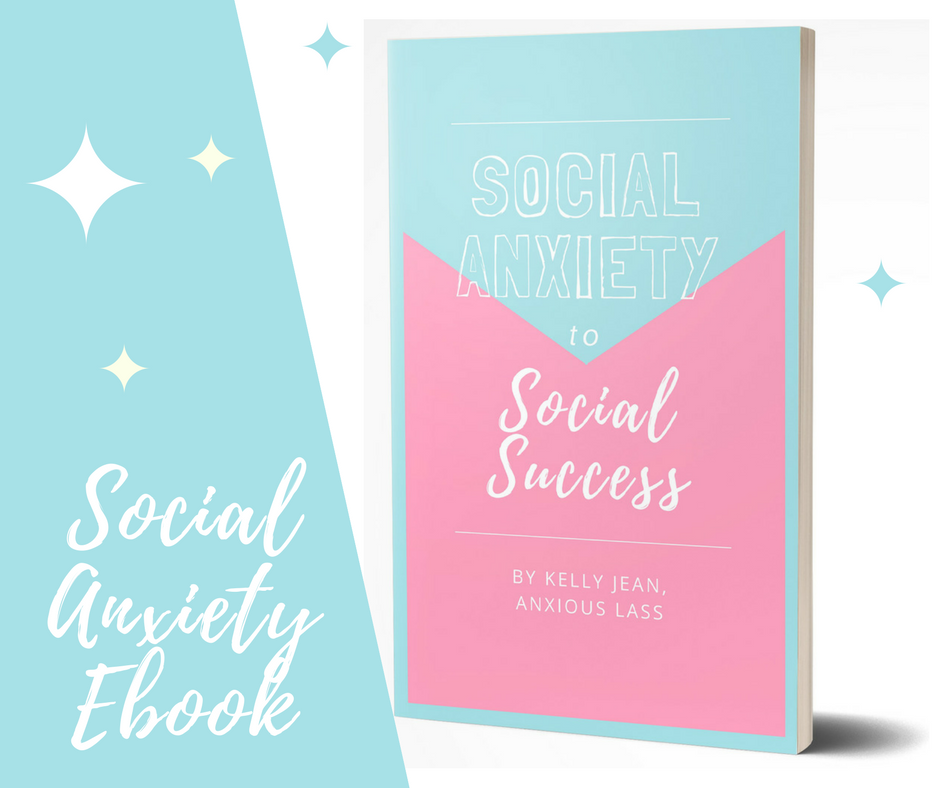
When you’re ready, it’s time to identify your safety behaviours. I recently learnt about these from my friend Kelly’s book Social Anxiety to Social Success. She explains that safety behaviours are things that you do because you think they will help you cope better in a social situation. It makes you feel less anxious at the time but it doesn’t actually help you in the long term.

You need to identify your safety behaviours and figure out how to stop them. From going though Kelly’s book and using the worksheets provided I figured out that my safety behaviours are overeating, avoiding eye contact, chewing my lip, picking the skin around my nails and refusing to talk.

2. Journaling

I frickin’ LOVE journaling. This blog is effectively my diary and I use it as a emotional outlet almost everyday. I find it’s good to start writing without a particular topic in mind as it allows my mind to wander, find what’s bothering me and dig around to unearth the root of what’s going on.

It’s amazing how quickly I can figure out what’s making me anxious once I put pen to paper. You can use journaling as a way to record when your feel anxious, describe your symptoms and what’s worrying you. Sometimes it takes a few days or even weeks before you can look back and connect the dots between life events and anxious feelings.

In Kelly’s book she’s actually put together a great worksheet which helps you create a list of scenarios which make you feel anxious. She then guides you through them helping you figure out which ones to tackle first. There’s no obligation to jump in feet first – quite the opposite actually – and she’s so good at explaining how to carry out all the small steps to take action against social anxiety. It’s made me realise that there are still a few social scenarios that I’ve been avoiding and now I feel equipped to take them on!

3. Exposure therapy

You’ve probably heard of exposure therapy before, but don’t worry it’s not as scary as it sounds. I’ve actually been using it without the help of a professional and had great results. In fact I didn’t ever realise I was doing it, until I did a short CBT course and was taught what exposure therapy entails.

Exposure therapy means doing the thing which makes you anxious. Wait! I promise it’s not torture! Say you were anxious about going to the supermarket. You wouldn’t just walk straight in and try and act calm and collected. You gradually build up your exposure to the situation by taking small steps.

Maybe one week you drive into the car park every day and stay for a minute longer each day. After a week maybe you can walk up to the front door. You repeat that several times until your anxiety decreases. After a while you’ll be able to walk inside, then after that you’ll be able to walk around for a few minutes. Over time you’ll be able to add on steps bit by bit, and ease yourself into the situation over time.

I’ve been implementing exposure therapy myself and using Kelly’s book as a structured guide for some situations which I’ve found particularly difficult. Kelly does the hard work for you by breaking it down into specific examples and helping you create a plan to conquer your fear one step at a time in bite-size chunks.


4. Track your progress

I’ve already mentioned that Kelly’s book has loads of worksheets including a monthly anxiety tracker so this helps you identify any progress you’ve made, highlight any negative thoughts and compare them month by month. You could also do this with a bullet journal or a mood tracker but Kelly’s book is particularly well laid out and super simple to use.

Tracking your progress is important to make sure that you’re continuing to work in baby steps (it’s easy to get carried away once you see you’re headed in the right direction!) and also to see how far you’ve come. This weekend I had to cancel plans because my anxiety was particularly bad, but it doesn’t mean I’m a failure. When I look back at all the progress I’ve made in the last few years I’m so proud of myself, and taking a social rain-check now and again is totally normal and actually a sign that I know my limits.

5. Create a support network

Having someone to talk to about these things has been a major factor in my recovery from social anxiety. It can feel so isolating to only talk to a doctor every few months, and although my friends are caring they just don’t understand social anxiety because they’ve never experienced it themselves. My mates are all really sociable and outgoing, so they can’t comprehend feeling awkward on a night out or struggling with meeting new people.

That’s why having a community online has been a huge help to me. I talk to people on Twitter, Instagram and Facebook everyday and I always respond to emails so feel free to chat to me online! I’m also part of several Facebook groups which provide a private space to talk about depression and anxiety with other people who are going through the exact same issues as I am.

If you haven’t already, talk to your GP about getting on the waiting list to see a counsellor and make sure your friends and family are aware of your situation. Creating a network of lots of people you can reach out to when you’re struggling is key.

So there are my five key steps to managing social anxiety. It’s not a quick fix, but it’s totally do-able especially if you have all the resources and support that I’ve mentioned. Kelly’s book Social Anxiety to Social Success is available to buy online now. You can buy it here (affiliate link)