
by Fiona likes to blog | Feb 27, 2019 | ANXIETY, Freelance, Uncategorized
At some point, in every job I’ve ever had, I’ve felt like an impostor. I’ve felt unqualified to make coffee, not good enough to manage a team and certainly not smart enough to write a book.
But you know what? I’ve done all of those things, and while I can’t guarantee my cappuccinos were ever frothy enough to win any prizes, I was never truly an impostor.
It was all in my head.
Here’s what I wish I’d know…..
1. It’s real and totally normal
It’s a psychological pattern in which you doubt your accomplishments and have a persistent, internalised fear of being exposed.
2. It gets worse the higher up the ladder you climb
It always amazes me to think that even billionaires feel like impostors sometimes. Every Oscar-winner has probably felt like a fraudster as they make their acceptance speech, having the most exciting moment of their career live on stage in front of the world.
Part of impostor syndrome is that it’s actually rife amongst seasoned experts. Scientists and writers at the top of their game are all likely to experience it even though the world sees them as extremely knowledgable in their field.
3. It’s not just women who get it
While early research assumed impostor syndrome was most common amongst high-achieving women, it’s now widely acknowledged as an issue experienced by both sexes. Tom Hanks gets it!
4. It can contribute to low self-esteem
I didn’t realise that every small piece of criticism I got was feeding into my impostor syndrome. I could get hundreds of positive comments from my boss and then one small negative thing would stick with me for weeks or even months, grinding down my self esteem. This made me feel like a failure and like I was a really bad employee and just a rubbish person in general.
5. It makes you work hard
The more I succumbed to impostor syndrome the more intent I became on proving myself wrong. I was so scared that I was going to be disciplined or fired that I worked really hard to prove to the world that I was a good manager.
6. Sometimes a little too hard
Yes, impostor syndrome definitely contributed to me busting a gut and saying yes to way more things than I could actually handle. I thought that saying ‘no’ was proof that I was unqualified so I bit off more than I could chew which led to burnout and ultimately a mental breakdown.
7. Sometimes it’s a sign you need to move on
I’ve learned recently is that it’s OK to quit. If you constantly feel like a failure and you think that it’s related to your job then maybe it’s not right for you. There is a time in life for getting out of your comfort zone but there’s also a time when you need to be right there in it, just coasting along and enjoying other things.
8. But most of the time it’s a sign that you’re embarking on something exciting
Feeling a mix of fear and excitement at work is quite special. It can propel you forwards. I’ve recently started doing a lot of speaking engagements and I’m choosing to look at it as a learning opportunity. I may not be qualified but the more I do it the better I’ll get at it!
9. There are simple ways to counteract it
I’ve learned two really simple and effective ways to cope with impostor syndrome, so much so that I managed to make a huge career change from working in catering to becoming a freelance writer and published author in just a few years without any relevant qualifications. I talk about it in my book Out of Office; Ditch the 9-5 and Be Your Own Boss.
10. Sometimes it’s helpful
Don’t believe me? Cosmopolitan editor Farrah Storr puts is like this:
“Those that ask questions are those that get ahead,” says Farrah. Impostor syndrome is nothing but a “control valve that alerts us when we are in our discomfort zone”. And what happens in that dreaded zone? Personal growth. Accelerated growth to be exact.
Have you experienced impostor syndrome? How did you deal with it?

by Fiona likes to blog | Jan 23, 2019 | ANXIETY, DEPRESSION
If you follow me on Instagram then you’ll already know that I started 2019 with an exciting new project, the Positive People Podcast.
I know what you’re thinking, EVERYONE HAS A PODCAST. Granted, you are correct and I’m not going to deny that the podcast market is somewhat saturated. But personally, I am currently subscribed to 50+ podcasts and listen to hours of episodes every day so I’m hopeful that there are plenty of you folks out there who can spare an hour a week to listen to our show.

I say ‘our show’ of course because I have an amazing co-host called Amy Holland.
Amy is my internet wifey, the gal who I call when I need to talk and the person who will leave me 7 minute long voice notes on a daily basis. She too has experienced mental illness and started her own business I Can Cards as a result.
We are both so obsessed with the mental health community online and really want to help add value to the content we produce. That’s why we decided that a podcast would be the best way to deliver our message of positivity as well as highlight some of the incredible people and stories we come across every day.

We don’t really believe in the ‘think positive’ philosophy.
Instead, we think that owning all the negative aspects of life is actually key to making you feel more positive and powerful in your own skin. We say sit in the sadness when it comes, take the bad days when they come and learn from them. Do what you can and above all, show yourself some self-compassion along the way.
We’ve already got two episodes ready for you to hear and have some awesome guests lined up over the next few weeks including Hannah Fitt of the Safe Foundation, the Anti-Coach Sinead Latham, author Kirsty Hulse and fashion legend Francesca Perks.
LISTEN HERE
ALSO AVAILABLE ON iTUNES
Follow Positive People Podcast on Instagram for updates

by Fiona likes to blog | Nov 11, 2018 | DEPRESSION
My first experience using the internet was (probably) in the year 1999.
I was twelve years old and in first year of secondary school learning about an incredibly boring tool called ‘electronic mail’, not because it was particularly helpful or even interesting, but because it was pretty much all there was to do online at the time.
We were in IT class getting some hands-on time with computers. Let that sink in for a moment. We were twelve years of age and required actual ‘hands-on’ training to use a computer. A middle-aged woman in a tweed skirt and silk blouse was going through a step-by-step guide, showing TEENAGERS how to use EMAIL.
Correct me if I’m wrong, but aren’t newborn babies better equipped to used tech than most adults nowadays? How times have changed!

Anyway, back then none of us school kids were particularly impressed with the thing. After sending a few slurs to each other (e.g.
you stink, you fancy Mr Seils the maths teacher) we were all itching to get out of our once exciting swivel chairs and back into a normal classroom setting where we could gossip, throw Blue Tack and the teacher and poke each other with pencils.
The internet was not a big deal. It seemed a bit too much like hard work. That was of course until we were introduced to MSN messenger.
For an awkward teenager like me (weren’t we all?) the ability to talk to people using an online chat function was a gift sent from the heavens. There was no fear of stumbling over my words, going red in the face or inadvertently farting in front of a boy. All of a sudden I could be smart, sassy, witty and knowledgable about cool subjects such as Bob Dylan and Irvine Welsh novels. I didn’t have to be the loudest or the funniest in a group of my charismatic peers, instead, I was allowed to shine in an intimate conversation between two, preferably with a shaggy-haired guitarist from the year above.

I should have realised back then that I was a non-verbal communicator. I am so much more comfortable writing out my thoughts than trying to eloquently form a sentence with my clumsy mouth. I’ve since learned that as an
introvert this was always going to be the case, and I wish now that I had pursued my interest in writing from an earlier age.
Alas, my brief obsession with rock music at the age of sixteen (I blame that attractive guitarist) pushed me into a more expressive (or so I thought) vocation and I went to university to study music. Being around a bunch of performers was mentally exhausting, and although I loved singing can say for certain that I never once enjoyed performing on stage. I loved singing and I loved the admiration and the buzz that came AFTER the performance, but when I was actually up there singing I was praying for the final few words so that I could take my bow and get the hell out of there.

I remember signing up to Facebook when I was in third year at university. My mates and I had decided one day during a lecture that we should join because we had heard other people talking about using it to connect with each other online. We each logged onto a library PC, created a profile and just kind of sauntered away thinking, what the hell is this even for?
I graduated university without ever really using the internet. I used my lecture notes and library books to write essays, even though Google Scholar was available I think I was sceptical that it was all legit. I didn’t want to be penalised for cheating so I just did my research and revision the old-fashioned way, by reading books, listening to the lecturers and sneaking a look at my friend Vicki’s notes.
It wasn’t until I had a mental breakdown in 2012 that I truly, no joke, had the time to actually start using social media. You can read more about my mental state here, but basically, I was off work for almost a year and after a few months I had slept and cried so much that I was pretty much bored and ready to be mentally stimulated again. I had been working in a completely non-creative role for several years and didn’t realise that what I was looking for was a form of self-expression. I really didn’t know that writing would help heal me but I’m so glad that I found it, or that it found me.
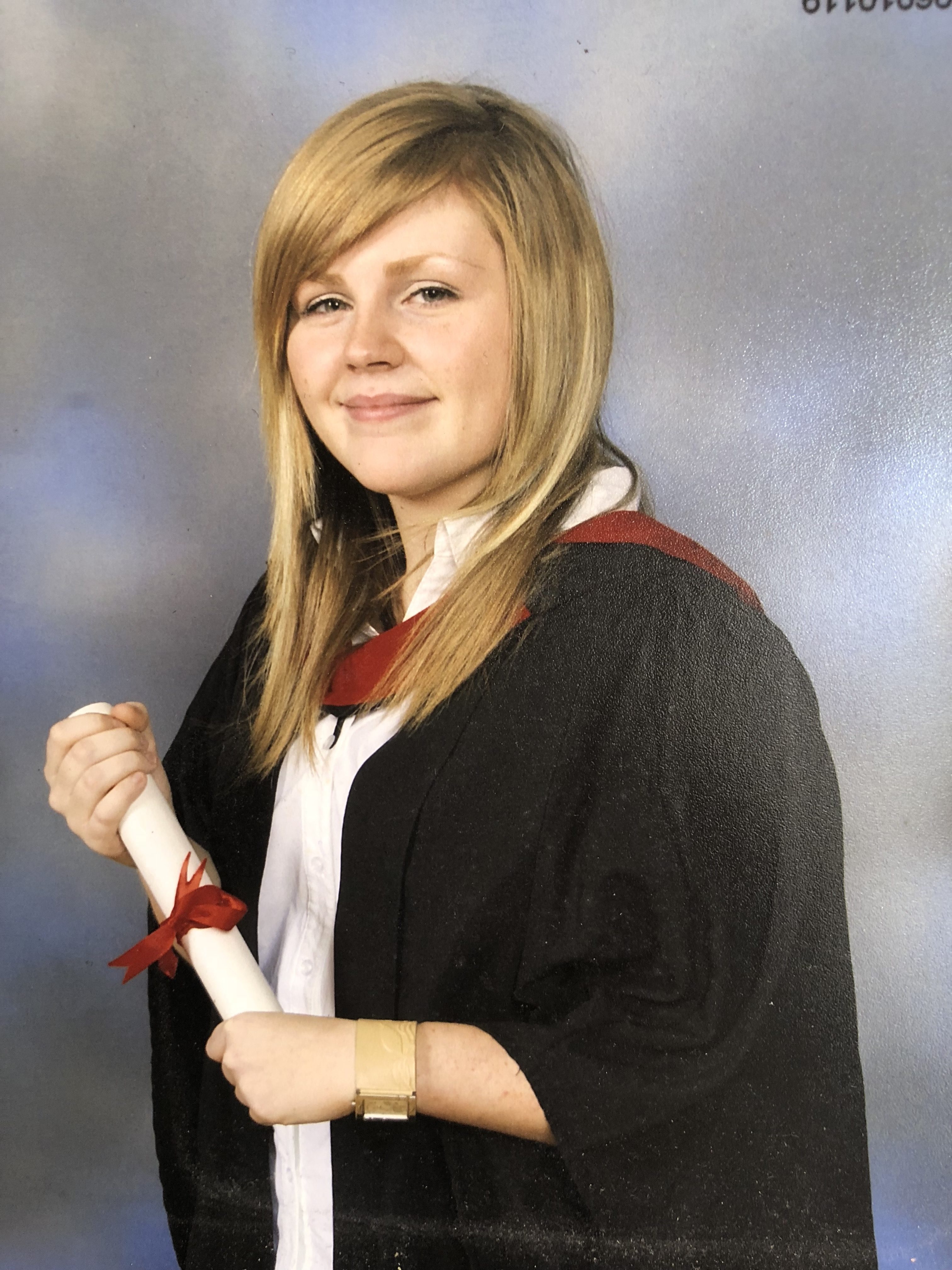
I started watching YouTube and then reading blogs, and before long someone persuaded me to start my own blog. I created Fiona Likes to Blog and started uploading articles now and again, just for fun. As the years went on I grew bored of writing about my chosen topic of
health and fitness. I ran out of gusto. I realised that there was more to life than dieting and lifting weights and felt the urge to dig a little deeper when thinking about what I actually wanted to write about. I wanted to be more honest.
That’s what the internet has given me. A place to be honest.
I know that for many people it’s a place to pretend to be someone you’re not. Somewhere to showcase a perfectly lit selfie or a photoshopped bikini pic, but I spent so much time pretending in real life that the internet became my space to exhale. My space to just be.
Social media is not perfect, but neither are we. If you need to use it as a way to boost your self-confidence then who am I to stand in your way?
I use it in the same way as I did as a teenager. It’s my safety blanket, my favourite tool for communication. Not because I want to hold up a curated version of my life, but because I want to be able to accurately comment on the reality of life. The highs and the lows.
You can read more about my journey with depression and social media in my book Depression in a Digital Age which is available now on Amazon.

by Fiona likes to blog | Oct 8, 2018 | ANXIETY, DEPRESSION, Freelance
It seems fitting that the last 12 months of my life have been bookended by two amazing – yet entirely different – holidays.
In the summer of 2017, I watched as everyone else in my workplace jetted off to various locations from Tenerife to South Wales, only to throw my hands up in the air towards the end of September and scream ‘I NEED A HOLIDAY’ in an entirely unnecessary and dramatic fashion.
I called my mum and within a few days, we had booked to go to Menorca for the last week in October, getting a bargain deal and returning home on the last flight before the island quite literally shut up shop for the year. As I write this blog post, its almost a full year later and I’m on an airplane returning from a very different trip entirely.

We have have spent the last fortnight kangaroo spotting and beach-hopping in Melbourne, Australia, where we visited my brother and his wife. See my comedic grin above where I was snapped chilling out with my little brother in Oz.
We’ve never been keen travellers, so having two sunny trips abroad in the space of a year has felt like a real treat, but I think it’s also fair to say that I’ve felt in dire need of the true relaxation that comes with getting away from UK life, the pressures of work and the painful reliance on social media and technology on a minute by minute basis.
If you’ve read my blog before you’ll be well aware that I’ve struggled with my mental health. It’s not something that I’m ashamed of anymore, in fact, I kind of make a living out of talking about it.
Whilst I was lying poolside in Menorca last October I realised that after writing hundreds of blog posts about depression and anxiety, I was ready to embark on something new, something more exciting.
I jotted down the title Depression In A Digital Age and thought that it would make a really cool book title.
Just a few weeks before I packed my suitcase to travel down under at the end of last month, I submitted the final draft of my memoir called ‘Depression In A Digital Age’ and I now patiently await its release at the end of November.

Can a holiday really change your life?
Had you asked me that in June of 2012 I would have laughed and cried simultaneously, as I slid into my sixth week of sick leave from work with a fresh diagnosis of stress, depression and anxiety.
I had booked a week in Spain a few months beforehand and the thought of going away was filling me with dread.
As I struggled to keep my head above water and come to terms with the black cloud which followed be around on a daily basis, my mum chirped positively ‘maybe a holiday will do you good!’
In this particular case, a week in the sun was nowhere near close to the kind of self-care and medical attention needed to bring me back to life, but I can see now that in less pressing circumstances how a holiday can do wonders for the soul.
Just look at how happy I was to get my picture taken with this image of a carrot when I was in Oz! How much more proof could you need?

I’ve spent a lot of my recovery attached to my phone. As a textbook introvert, I feel at home online where I can carefully work out my anxious, complicated thoughts in a WhatsApp message or one of these lengthy blog posts.
I’ve unexpectedly connected with some of the best people in the world, making life friends who are not relegated to my DMs but have become coffee buddies, workmates and people who I call when I need to talk.
But with the online world comes the addiction and self-gratification of posting selfies (nothing wrong with that) and checking how many likes said selfie has received every 5 minutes until it reaches a number that feels good.
In the same way that my work inbox gets to an unmanageable stage a few times throughout the year, the constant ringing of smartphone notifications becomes stimulation overload to the point where I need to go cold turkey.
One of the best bits about going on holiday is selecting the books I want to read, and whilst in Australia, I read a collection of essays by Laura Jane Williams called Ice Cream For Breakfast.
It’s been on my reading list for months and I devoured it whilst we drove in between vineyards in the Yarra Valley in Australia just a few days ago.
Sometimes you need to actively seek out those magic moments. Book the holiday, schedule in the downtime and make a conscious decision to turn off your data (actual heaven) and be in the moment.
In between tasting the finest pinot noir in the world, spending two weeks with my favourite people and reflecting on the best year of my career so far I even accidentally managed to fulfill one of Laura’s best pieces of advice by literally having ice cream for breakfast.
It doesn’t get much better than that, does it?

Buy my book on Amazon!

by Fiona likes to blog | Jul 26, 2018 | DEPRESSION, Freelance
Flexible working is a BIG old buzzword in 2018.
It’s what mothers have been denied for years, and only now in the digital age are businesses and entrepreneurs starting to pull together some sort of plan to help workers find hours to fit around their needs.
A new survey says that of 1,800 UK professionals (78% of whom said “their current or most recent employer offered flexible working”) found that 30% of flexible workers felt they were regarded as less important, and 25% said they were given fewer opportunities than colleagues who worked conventional hours. A quarter also believed they had missed out on promotion.
Emma Gannon has been the champion of flexible working in the last few years, and with the release of her most recent book The Multi-Hyphen Method she has firmly rooted the notion of freelancing in thousands of young adults across the world. I too jumped on Emma’s wonderfully positive take on all the great things that are possible from being self-employed, and went fully freelance in January 2018.
This was half out of a passion for the job and half out of necessity for my mental health. Every job I’ve had as an adult has been hard to maintain because of my inability to cope with stress. I don’t mean coming home to have a moan every night because my boss didn’t give me a promotion. I mean leaning on booze, dabbling in self-harm, hiding in toilets and verbally abusing staff members as a result of my depression and anxiety.
I knew that working in catering was unsustainable so I built up my experience as a writer and social media manager and jumped into the world of flexible working, hoping that it would hold the answers to my prayers. It’s been a pretty stressful transition
Don’t get me wrong. I would much rather be sitting at home typing on a laptop than waiting tables and scrubbing a dishwasher every day. One job isn’t better than another, but having to be in front of customers pretending to be happy-go-lucky just wasn’t possible for me on a consistent basis.
So at home, sat in my pyjamas sporting six day old hair (yes, six) I can be as sad as I like and still be productive. Or so I thought.
The last few months have been testing. I’ve had the flexibility to work the hours that suit my mood. Sometimes this has meant a long lie until 10am and then a really productive afternoon. In the beginning, I was able to take self-care days as required, where I would turn off my phone and get outside in some fresh air. Or just lay on the sofa and watch a movie. But that idea of flexibility has all but vanished.
Now, I sleep in late because I’ve more than likely worked until midnight the night before. Self-care days have turned into self-care ‘moments’, like wearing a face mask whilst I chase up late invoices or doing my dishes in between proof-reading. I’m constantly dangling a carrot in front of each long stretch of work, and basic necessities such as showering are now becoming an afternoon reward as opposed to a morning routine.
I have friends who are in the same boat. My friend Fay has a chronic illness and works from home because it’s the only legitimate way she can earn a living whilst managing her ever-changing symptoms.

Like me, she thought it seemed like a great idea from the outset, but when it comes to actually taking the time off she needs (the reason she chose to work from home in the first place) it feels logistical impossible to do. There is no sick pay. Zero. There’s also a lot less compassion from clients when you tell them that you’re going to miss a deadline because you’re mentally unwell.
And that’s if you even have the balls to tell them that you’ve got a mental illness. It’s hard enough to tell one boss, but to announce is to 5, 6 or maybe more individual people who are all paying your wages with no obligation to keep using your services? Nah mate, I’ll keep it under my hat for now.
It’s not just creative freelancers who are feeling the stress. A recent article on Techcrunch.com reported that Deliveroo’s flexible working was comparable to 20th-century dockyards;
where workers would gather around the dock gate desperately hoping that they would be offered work, and where only some workers were fortunate to be offered fairly regular shifts, while others were offered no work at all.
But on page three of her book, Emma Gannon enforces that this is exactly the kind of mentality flexible working is supposed to stamp out. She writes;
Being a multi-hyphenate is about choosing and strategising a plan of attack and having the freedom to take on multiple projects, not being backed into a corner. This is about choosing a lifestyle. This is about taking some power back into our own hands.
Well, that sounds amazing, and although I do feel a lot more in control of my day to day life I can’t help but feeling that I AM still backed into a corner. I’m going through a stage where I’m doing a hell of a lot of work for not much money. I didn’t publicise this when it was published, but you can read my anonymous Money Diary on Refinery 29 to find out the details.
The truth is that I work more now that I ever did when I was a store manager or running the catering facility in a busy tourist attraction. I am working MORE and earning just about enough to get by.
Is this the lifestyle I was looking for? Not quite.


