Select Page
My digital depression journey – how the internet gave me a voice

My digital depression journey – how the internet gave me a voice

My first experience using the internet was (probably) in the year 1999.

I was twelve years old and in first year of secondary school learning about an incredibly boring tool called ‘electronic mail’, not because it was particularly helpful or even interesting, but because it was pretty much all there was to do online at the time.

We were in IT class getting some hands-on time with computers. Let that sink in for a moment. We were twelve years of age and required actual ‘hands-on’ training to use a computer. A middle-aged woman in a tweed skirt and silk blouse was going through a step-by-step guide, showing TEENAGERS how to use EMAIL.

Correct me if I’m wrong, but aren’t newborn babies better equipped to used tech than most adults nowadays? How times have changed!


Anyway, back then none of us school kids were particularly impressed with the thing. After sending a few slurs to each other (e.g. you stink, you fancy Mr Seils the maths teacher) we were all itching to get out of our once exciting swivel chairs and back into a normal classroom setting where we could gossip, throw Blue Tack and the teacher and poke each other with pencils.

The internet was not a big deal. It seemed a bit too much like hard work. That was of course until we were introduced to MSN messenger.

For an awkward teenager like me (weren’t we all?) the ability to talk to people using an online chat function was a gift sent from the heavens. There was no fear of stumbling over my words, going red in the face or inadvertently farting in front of a boy. All of a sudden I could be smart, sassy, witty and knowledgable about cool subjects such as Bob Dylan and Irvine Welsh novels. I didn’t have to be the loudest or the funniest in a group of my charismatic peers, instead, I was allowed to shine in an intimate conversation between two, preferably with a shaggy-haired guitarist from the year above.

I should have realised back then that I was a non-verbal communicator. I am so much more comfortable writing out my thoughts than trying to eloquently form a sentence with my clumsy mouth. I’ve since learned that as an introvert this was always going to be the case, and I wish now that I had pursued my interest in writing from an earlier age.

Alas, my brief obsession with rock music at the age of sixteen (I blame that attractive guitarist) pushed me into a more expressive (or so I thought) vocation and I went to university to study music. Being around a bunch of performers was mentally exhausting, and although I loved singing can say for certain that I never once enjoyed performing on stage. I loved singing and I loved the admiration and the buzz that came AFTER the performance, but when I was actually up there singing I was praying for the final few words so that I could take my bow and get the hell out of there.

I remember signing up to Facebook when I was in third year at university. My mates and I had decided one day during a lecture that we should join because we had heard other people talking about using it to connect with each other online. We each logged onto a library PC, created a profile and just kind of sauntered away thinking, what the hell is this even for?

I graduated university without ever really using the internet. I used my lecture notes and library books to write essays, even though Google Scholar was available I think I was sceptical that it was all legit. I didn’t want to be penalised for cheating so I just did my research and revision the old-fashioned way, by reading books, listening to the lecturers and sneaking a look at my friend Vicki’s notes.

It wasn’t until I had a mental breakdown in 2012 that I truly, no joke, had the time to actually start using social media. You can read more about my mental state here, but basically, I was off work for almost a year and after a few months I had slept and cried so much that I was pretty much bored and ready to be mentally stimulated again. I had been working in a completely non-creative role for several years and didn’t realise that what I was looking for was a form of self-expression. I really didn’t know that writing would help heal me but I’m so glad that I found it, or that it found me.
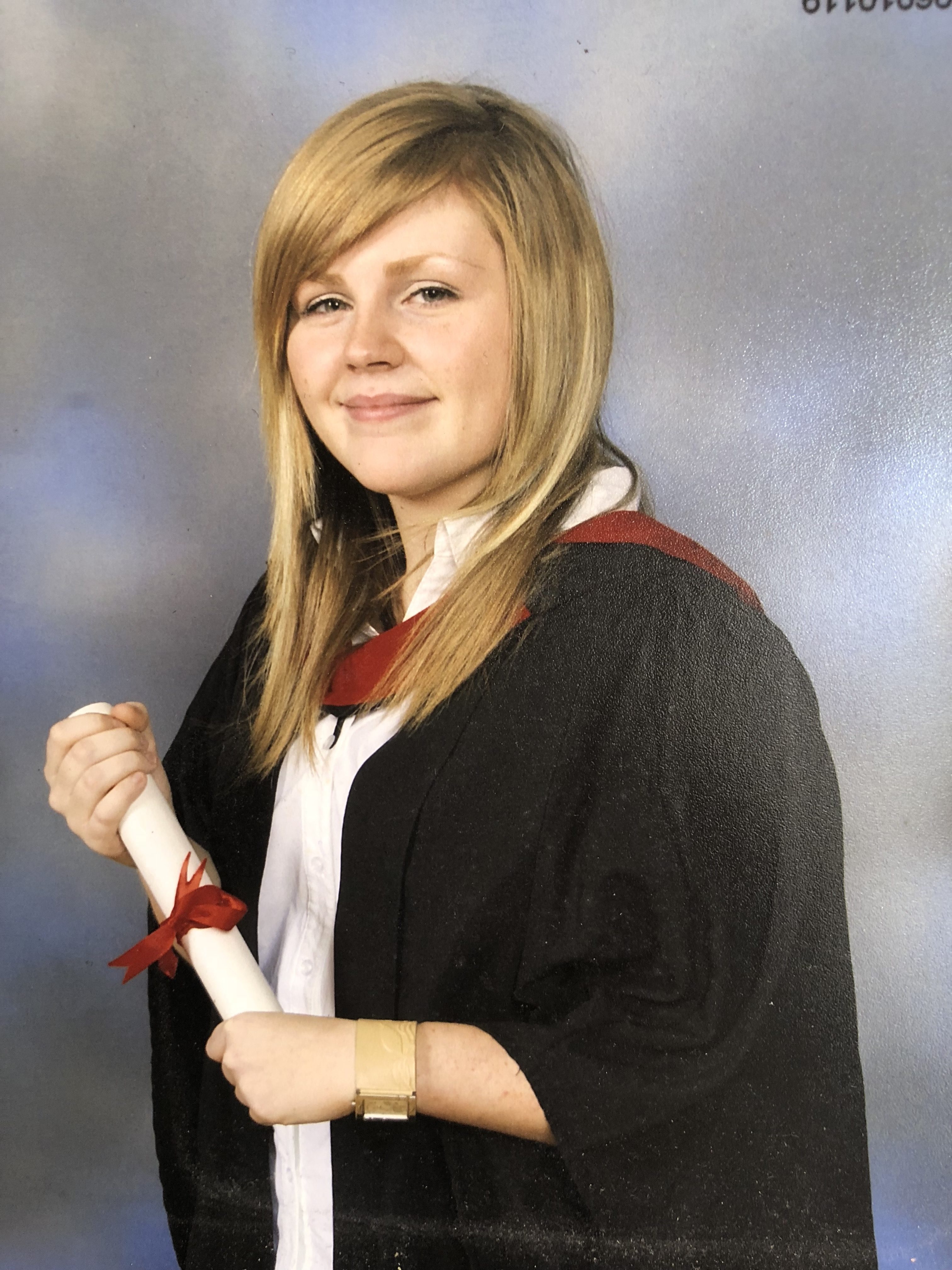
I started watching YouTube and then reading blogs, and before long someone persuaded me to start my own blog. I created Fiona Likes to Blog and started uploading articles now and again, just for fun. As the years went on I grew bored of writing about my chosen topic of health and fitness. I ran out of gusto. I realised that there was more to life than dieting and lifting weights and felt the urge to dig a little deeper when thinking about what I actually wanted to write about. I wanted to be more honest.

That’s what the internet has given me. A place to be honest.

I know that for many people it’s a place to pretend to be someone you’re not. Somewhere to showcase a perfectly lit selfie or a photoshopped bikini pic, but I spent so much time pretending in real life that the internet became my space to exhale. My space to just be.

Social media is not perfect, but neither are we. If you need to use it as a way to boost your self-confidence then who am I to stand in your way?

I use it in the same way as I did as a teenager. It’s my safety blanket, my favourite tool for communication. Not because I want to hold up a curated version of my life, but because I want to be able to accurately comment on the reality of life. The highs and the lows.

You can read more about my journey with depression and social media in my book Depression in a Digital Age which is available now on Amazon.

How talking on the internet helped me overcome social anxiety disorder

How talking on the internet helped me overcome social anxiety disorder

Sadly, many people who suffer from mental illness feel ashamed to talk about how they feel and this just simply shouldn’t be the case. It only takes one small step to ask for help, and just a quick chat with someone who understands can have a huge impact.

If you know someone who might be suffering, or if you have a mental health issue yourself; I urge you to use today as a chance to open up about the real issues surrounding mental illness and help end the stigma surrounding the subject. With that in mind, I wanted to share my own personal story today.

Many of you already know my history with depression and anxiety, but what you may not know is how social media has helped me overcome social anxiety in the past few months. Don’t get me wrong; it took me years of therapy and medication to get to this place. I was lucky enough to see a counsellor through my doctor, but there are a lot of online psychiatry services out there now which I’d still be open to using. As well as professional help, every little piece of social interaction online added up to help me along the way too.

Snapchat

If you follow me on Snapchat then you’ll know what I’m about to say. I LOVE TO TALK. Not to other human beings of course – that would be way too much interaction – but to myself on my mobile phone.

When I moved away from Glasgow I realised Snapchat stories was a great way to keep my friends updated with what I was up to everyday, as we now live hundreds of miles apart.

Whilst everyone else is pouting whilst using the puppy dog filter (OK, I do my fair share of that too) I’m giving my viewers the low-down on my mental state as it changes. Sometimes I’m laughing about haggis in an American drawl and other times I’m just talking about my low self-esteem.

It’s a great form of talking therapy, and lots of people have told me they find it helpful to see that other people are going through mental health issues too. It’s made me more open to talking about these subjects in social settings and basically owning my mental health problems instead of pretending they don’t exist.


Twitter

Tweeting was not something that came naturally to me. I’m not quick-witted enough to construct jokes that fit into the strict character limitations and my spelling has let me down on more than one occasion.

In 2016 I started using it to promote my blog, and before long had been sucked into various communities (mental health, blogging and Birmingham) and was having conversations with total strangers on a daily basis.

I’ve used it to find new friends, decent WordPress training and a local social media seminar that I would otherwise never have known about. It’s made me go out and make real-life connections with people I’m met online, and without that initial meeting online I honestly don’t think it would have been possible.

I’ve also created my own chat on Twitter where we talk all about body positivity. Plucking up the courage to do all of these things has been a total revelation for me after several years of avoiding social outings and talking to new people.

twitter logo mental health blogger UK

Instagram

I spent a lot of time taking photos of my food before I realised it’s not really the best use of my Instagram account. I have a history of disordered eating and was obsessed with food for about two years whilst I ate a very restricted diet to lose weight.

I still love food and taking pretty pictures of my salads (I’m a blogger, it’s basically compulsory) but I’ve loved using my Instagram as a way to showcase random thoughts and emotions that happen throughout my day. I’ve tried to spread positivity through my account and that’s had a knock on affect on my mood, meaning I’m generally a little happier thanks to the interactions I make online.

I’ve conquered my fear of talking to camera thanks to Instagram stories and I even did a live stream a few weeks ago. This has made me more confident about talking about mental health in public and I genuinely think I could talk to anyone about it now!

social media for anxiety mental health blogger UK

Blogging

The most powerful tool in my quest to shake the shackles of social anxiety has ironically been the thing that I do all on my lonesome. I sit quietly in bed, at my desk or in my local coffee shop and tap away on the keys of my laptop writing for no one but myself.

During this time I feel free to say what I want. I can explain in detail how I feel about the world, how depression has affected me and how painful yet important my journey has been.

I can do all this from the comfort of my own space; without worrying about how I sound to others, stumbling over my words or trying to maintain eye contact whilst I divulge my deepest and darkest thoughts. I can express myself on my own terms and although it may seem like a one-side affair, it’s really not.

I regularly receive comments and private messages from women who understand exactly how I feel. It’s a wonderful, comforting feeling to know that we are all struggling in our own way and that we’re not alone.

The process of exposing myself online has given me the fearlessness to say many of the things I write about on here in real life. I can now introduce myself as a mental health blogger without the fear of ridicule, because I’ve successfully created a community of supportive people online who I know resonate with what I write about.

The chances are that many of the people I meet in real life will also understand so now I can proudly state who I am and what I stand for, and that is a wonderful privilege.

Have you found an unusual way to overcome social anxiety? Head over to Twitter and use Time to Talk Day as a way to share your story with me!