by Fiona likes to blog | Aug 19, 2021 | Freelance
On any given day, I can have a different opinion on whether it is ever OK to work for free – as it’s a complex, nuanced subject. I know that sentence doesn’t help you in the slightest – but hear me out. I promise I’ll offer some actually useful tips if you keep reading. Whether you’re starting a side hustle or a full-time freelancer, the expectation of working for free is something that you need to be prepared for.
This blog post is based on the Out of Office podcast episode: Is it ever OK to work for free?
How many freelancers work for free?
Half of all freelancers have been asked to work for free. Forty-three percent of all freelancers have completed a job without pay. And, there’s an ongoing joke in the freelance world that you can’t pay your bills with ‘exposure’. Gloomy stuff, right?
But: is it ever OK to work for free? And what value can working for free give you that will actually improve your business, aside from its financials? Call this blog post your guide to answering the ever-unanswerable question.
via GIPHY
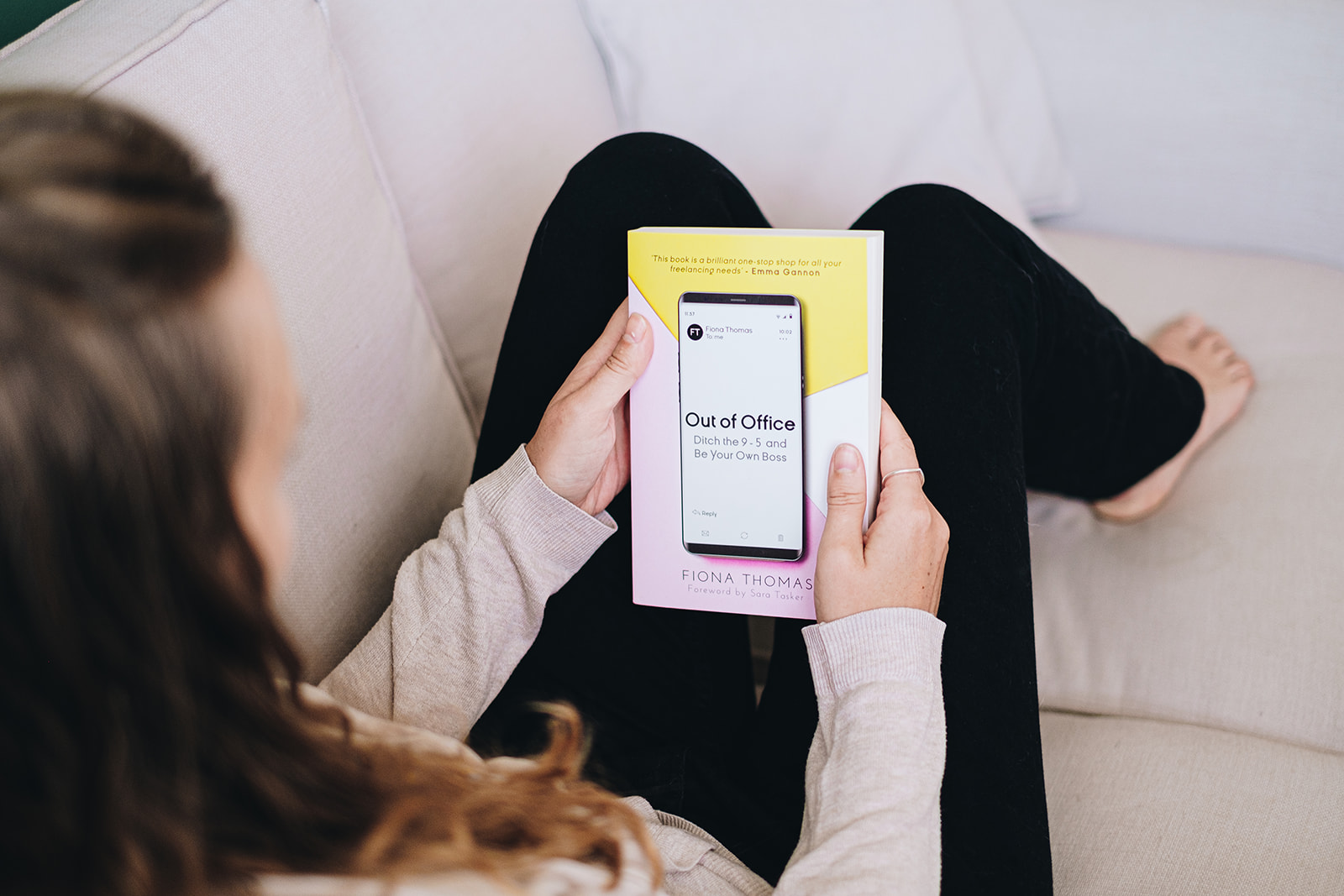
In my book Out of Office, the no-nonsense guide for those contemplating freelance life and those already on the freelancing journey, I interviewed Digital Marketing Coach, Alice Benham. I knew she had some interesting thoughts on working for free and she gave me these nuggets of wisdom:
“Putting a monetary value on your work can have a direct impact on the quality of the work’s outcome. Any clients that have paid full price for my services have a better attitude. All my ‘bad clients’ have been ones that have got my services at a discounted rate, or for free.
“I think it says a lot about someone’s attitude when they’re willing to pay for a service. I have such a better relationship with every single one of my paid clients, because I know they are paying a price that’s genuinely fair for what my time is worth – and they know the value they’re getting.”
Choosing to work for free is a privilege
I have also experienced the horrors that can come with deciding to work for free; sometimes a client expects you to even get out of pocket to achieve the end result. So, rule number one when it comes to deciding whether you should indeed work for nada is to make sure you’re getting something out of it – even if it’s not money.
When choosing to work for free, it’s both a personal choice and a privilege. There’s no one answer because it depends on your mission and your current financial situation. In the early days, I did sometimes work for free, because I had a stable income in another job so I knew I could work for nothing and still pay the bills at the end of the month.
You just run the risk of a client perpetuating the idea that freelancers are less ‘valuable’ than employees – which is completely untrue. Even now, long into my freelance career, I still get asked to work for free. There’s a brash, no f***s given approach some employers have – that ‘expectation’ to sometimes work for free never goes away in the freelance industry, unfortunately.
But, sometimes, you can play the game to your own advantage.
via GIPHY
So, is there ever any value in working for free?
- Consider saying yes: if there’s a clear benefit you’ll receive that isn’t financial. For example, you might be asked to speak on a panel for free, as I have often done, and the audience you’ll reach may be much bigger than your own, and you’ll have the chance to speak about something that’s close to your heart. When I was promoting my book, Out of Office, my marketing strategy included reaching communities of side hustlers, business owners and freelancers at events for free because I knew that by sharing my knowledge with them, I had a chance to capture their attention, and, in turn, get them to buy my book. I was working for free, but I was making valuable connections and getting something out of it in the long-term.
- Consider saying yes: if you’re raising your profile by working for free. Value doesn’t exist just in monetary form – oh no. If you’re appearing as a guest on a monetised podcast, you’re working for free. But the ‘exposure’ (the dreaded word) could actually be valuable for you in this instance.
- Consider saying yes: if you’re building valuable networking connections. For example, if you’re a photographer, you could offer a free shoot to an activist whose mission you admire, or you could reach out to a digital marketer and for a shoot, you, in turn, get to build your portfolio and secure some banging marketing tips. If you offer people work for free, you never know: they might just turn into paying clients.
- Consider saying yes: if you want to build experience in something you’re not an expert in, yet. Reach out to people – offer your services for free – build up that portfolio that then attracts paying clients. You’ll see the results pay off.
- Consider saying yes: if it helps you build your confidence. I did this with public speaking. I wanted to be a better public speaker, and I wanted to learn in a pressure-off way. By taking free gigs, I didn’t feel that pressure to perform perfectly, because I was doing a client a favour. In turn, my confidence was built up from those free gigs, and then I started getting booked for paid work.
via GIPHY
When to say no to working for free
- Consider saying no: if it’s a BIG project, with multiple people working on it, that are all getting paid. Question why the company can afford to pay them, and not you, and get answers from the employer. If it’s down to differing levels of experience, and you’re not quite experienced enough, work out how much the opportunity is worth it for you before saying yes.
- Consider saying no: if you already have a busy work schedule. If free work is pushing you into burnout territory, that’s not the time to be picking more up.
- Consider saying no: if the opportunity gives you NO benefit. If you feel the company is taking advantage – perhaps they’re making you write for free, but they then won’t link to your website in exchange – question why you’re doing this. If you’re not wanting to be affiliated with their brand, necessarily, don’t bother picking up the opportunity.
- Consider saying no: if the client looks like they definitely have the budget to be paying you, but just aren’t coughing up. If there’s no money being offered, you have nothing to lose, so always ask if there’s a budget available. Often, it’s awful, but companies will let free work go ahead if you don’t ask for your worth. If you ask, they might magically have a budget available. Surprise, surprise.
- Consider saying no: if they’re not clear on exactly what the work is that you’ll deliver. Always ensure your contract sets out your terms, and be clear that if you’re writing one blog post for free, that’s all you’re doing for free. If they then ask you for more rounds of amends than you agreed to, or they’re trying to get you to work on the SEO for their website, be clear that that will incur a fee.
So, there you have it.
Yes, it’s a personal decision. Yes, a lot of it is based on privilege.
But it’s always important to stick to your gut and know your worth. Hopefully, this blog post has helped with that a little – and remember, if you get an offer to work for free, you don’t have to say yes straight away. Sit with it, work out what’s in it for you, and don’t be scared to challenge your potential client on their proposition. You’ve got this.
If you want to know more about setting your rates, handling awkward freelance conversations, and living your best out of office life get a copy of my book Out of Office now.

by Fiona likes to blog | Jul 12, 2021 | Freelance, PODCAST
There are some cracking podcasts for freelancers available online nowadays, but there are sooooo many! How do you know which ones to listen to first? Some are just sales tools and boring self-promotion for marketers or coaches, and others are genuinely helpful with golden tips and amazing advice.
So which are the best podcasts for freelancers? If you’re new to freelancing it’s always super helpful to hear how other people started out, and if you’ve been a freelancer for years it’s nice to know you’re not alone!
Here are my top 5 podcasts for freelancers:
I know, I know! I’m a tad biased, but I think my own podcast about freelance life is pretty bloody awesome. So I’m putting it on this list in case you’ve not had a chance to listen yet! I started the Out of Office Podcast as an accompaniment to my book. You’ll find that I share a lot of my own freelance journey which resonates with lots of freelancers. And I know the podcast and the book have helped a large number of people make the leap from employed to fulltime freelancing!
Since I started recording, I’ve had tonnes of DMs from total strangers telling me how it’s inspired break free from the corporate shackles or to set up as a freelancer on the side. I don’t shy away from difficult topics, like depression and anxiety, and I think you’ll find the tips I share helpful.
Obviously I had to include this as the ultimate of freelancer podcasts, by the multi-hyphenate queen herself, Emma Gannon. This podcast is so good! Emma covers so many topics and speaks to some truly phenomenal humans on Ctrl Alt Delete, from Elizabeth Day and Dawn O’Porter to Joe Lycett and Gillian Anderson.
I love the breadth of her chats with brilliant people covering work, wellbeing & creativity, starting with some questions about work or whatever they might be promoting and then meandering into a whole other – often unexpected – world!

This one is an essential listen for business owners and creatives, with gorgeous deep dive conversations going into the realms of why we do what we do, and the highs and lows on the journey! Ruth Poundwhite interviews the likes of Ravideep Kaur, me, Rabya Lomas and Ray Dodd about our creative lives, and the philosophies and inspiration behind our businesses.
I love hearing how other freelancers fit everything in and use their freedom to create the kind of lives they want. It’s inspiring to know that there IS another way! The way that she focuses on how we’re all connected with each other as humans living life and doing business in a creative way is life-affirming. One to listen to when you’re craving deeper conversations.

Marketing pro Alice Benham hosts this podcast for freelancers and I love it! She speaks with such honesty and openness about her own journey, the highs and lows of running a business, as well as interviewing a variety of freelancers from different industries.
It shines a light on the unspoken parts of being a business owner. Be a fly on the wall for her chats with fellow entrepreneurs and go behind the scenes where they confess their mishaps (I know it’s always reassuring to hear these!). It’s fun, easy to listen to and will give you hope for your business or freelancing life!

This is one I love to listen to when I’m out and about or feeling like I need a sense of community! It’s a podcast for female business owners who want “to work FOR themselves not BY themselves”!
She speaks with lots of women about all things entrepreneurship. The shenanigans that come with running your own business are covered in her chats and of course the trials and tribulations of working from home! It’s given me some great tips about how to stay motivated and on task!

I hope you’ve enjoyed reading about my 5 best podcasts for freelancers and that they give you some listening inspiration!
If you have any podcasts you love that I’ve missed leave a comment below. I’m always on the lookout for new listens! And if you get a chance to have a listen to these, let me know and don’t forget to leave these awesome podcasters reviews! Every little helps and all that, eh?!
You can find me hanging out on Instagram here. Come and say hello! And don’t forget to take a peek at my FREE resources for freelancers.
And if you haven’t nabbed a copy of my book, Out of Office, yet it’s an absolute must for freelancers – especially if you’re new to it all!

by Fiona likes to blog | Mar 5, 2021 | Freelance, WRITING
I’m pretty chuffed to announce I’ve been shortlisted for an award (!!) for my book, Out of Office: Ditch the 9-5 and Be Your Own Boss – can I get a whoop whoop?
Taking place at a fancy virtual awards ceremony on Tuesday 25th May, The Business Book Awards 2021 celebrates thought-leadership in business. The very fact I’m shortlisted as a thought-leader is enough to quite literally rock my world, and to have Out of Office recognised as an industry-approved guide for freelancers to help you navigate the highs and lows of quitting the office for good means so much.
I’m nominated alongside some stellar books in the ‘Start up/Scale up’ category, and you can find Out of Office sitting comfortably alongside the likes of Boss It: Control Your Time, Your Income and Your Life by Carl Reader and Investor Ready: The guide for start-ups on getting investors to say YES by Julie Barber. Quite the bookshelf, if I do say so myself.

The Business Book Awards 2021 celebrates the industry-leading tomes that inspire the business world each year. Recognising books that have shaped understanding on all aspects of the business world – to name but a few: sales & marketing; HR & management; diversity, inclusion & equality; change & sustainability – it’s an honour to be amongst such wonderful company.
Joining me (in my pjs, on Zoom, most likely) and the nominated authors on the fancy awards evening in May will be an incredible judging panel that includes leaders in business and the most in-the-know in publishing. Head Judge, Alison Jones, is the founder of Practical Inspiration Publishing and author of This Book Means Business. She has 25 years of experience in the publishing and business industries, and has joined forces with a roster of other incredible leaders in the business world to judge yours truly. It’s set to be an exciting night.
See you at the virtual awards ceremony on Tuesday 25th May 2021!
Fancy writing your own business book? Listen to this episode of the Out of Office podcast.

by Fiona likes to blog | Jun 17, 2020 | Freelance
To celebrate that fact that the Out of Office eBook is out now, I wanted to write a blog post that explores one aspect of freelancing that I think often gets overlooked: branding.
So what is branding? I’m certainly no expert, but it’s something that I learn more about everyday, and I think that every freelancer is ultimately an expert in their own brand because they know it like the back of their hand. Even if they don’t realise it!
I used to think it was just all about graphic design. You know, having a snazzy logo and some pretty colours and fonts on your website. Shout out to Nikki who designed my logos though! But what I’ve learned through my own personal experience (and mistakes) is that it’s so much more than that, which quite frankly means it takes a lot of work and it’s something that is constantly evolving as your business grows.
As author Seth Godin neatly puts it:
“A brand is the set of expectations, memories, stories and relationships that, taken together, account for a consumer’s decision to choose one product or service over another”
Nowhere in that quote does he mention the word logo or font, does he? So let’s break it down into expectations, memories, stories and relationships and think about how you can translate that to the online world.
This blog post was inspired by my podcast episode around the same topic. Listen to the audio below!
Expectations
If you’ve got your branding right, then your audience will come to expect certain things from you. They might expect a newsletter to drop into their inbox once a week, they might expect you to reply to their DM on Instagram or they might expect you to be completely honest about how you review a product on your blog. It’s up to you to set these expectations and then, make sure you deliver.
For example, I recently launched my first creative writing course. I know that there’s now an expectation from my audience that I should be an excellent writer. I have to prove to my audience that I know my stuff, so I’m taking real care over all the written content I post online. I’ve upped my game on my website, Instagram captions and my newsletters because you know what? I’m a damn good writer and I want that to be crystal clear! I want my writing to be a prominent part of my brand, because I love what I do and I want to be considered an expert in my field.
Take someone like Sara Tasker. Her brand is built on beautiful photography – she’s literally written a book about it and runs an Instagram retreat training others too. As a follower of hers, I’ve come to expect high-quality photography from her brand. If she posted a grainy image of a sloppy sandwich on her grid my world would be shook. I would be genuinely concerned that someone had hacked into Sara’s account because my expectations of what she posts online are so specific.

Memories
What memories do people have of you? Take your clients for example, when they signed up to work with you did you send them a thank you card? Or maybe a little care package with some sweets or a cute postcard? (Alice Benham is famous for this!) Giving people these positive memories of you is all part of your brand.
I know a lot of people have fond memories of me going to my local duck pond and checking in on my feathery friends. And of course, some of you will remember when I was gifted a giant rubber duck mask and took to dancing around in it with a glass of wine. These are fun (weird) memories that I’m happy for people to associate with me because I want to make people laugh, and I want my brand to feel a bit daft.
Relationships
This is I think, an easy and underutilised way to build a brand. The way you interact with people online is an opportunity to implant yourself in someone’s mind as a positive force. If someone asks you for advice, give it to them. If someone compliments you, accept it and return the gesture. If you get on really well with certain people online, share their content and big them up to your audience. Bringing all those positive vibes to the table gives off all the right energy and I promise you’ll get it back in droves.

Stories
I recently read The Science of Storytelling by Will Storr, which encapsulates everything he’s learned from neuroscience about how to write a novel. But so many of the points he makes apply to storytelling in general. One of the most important things he talks about is that when we read a novel we’re always chasing the answer to a question. That question is always about the protagonist, and the question is: who are they?
Books often revolve around the main character making some moral decision, and the reason we keep reading is to get some sort of resolution. Do they get the girl? Do they find the thing they’re searching for? Do they leave home or decide to stay? Do they sacrifice something for the greater good?
The reason we get so invested in these stories is because we see ourselves in these characters and we can identify with them and their journey. Even anti-heroes like Walter White in Breaking Bad play to our wants and desires, because we get to live vicariously through their story, acting out our natural tendencies to break the rules and live life on the edge.
Think about your brand like an extended novel, where you’re the central character. The more you can let people in on your personal story, the more people will identify with you, and naturally they’ll want to follow you along to find out what the resolution is. That’s why sharing behind the scenes details are such a powerful way to engage your audience. Take them along for the ride as you embark on new adventures whether that’s finding an accountant, learning a new piece of software or writing a book. People will love it.
To learn more about building your freelance business, read my book Out of Office: Ditch the 9-5 and Be Your Own Boss.


by Fiona likes to blog | May 24, 2020 | Freelance
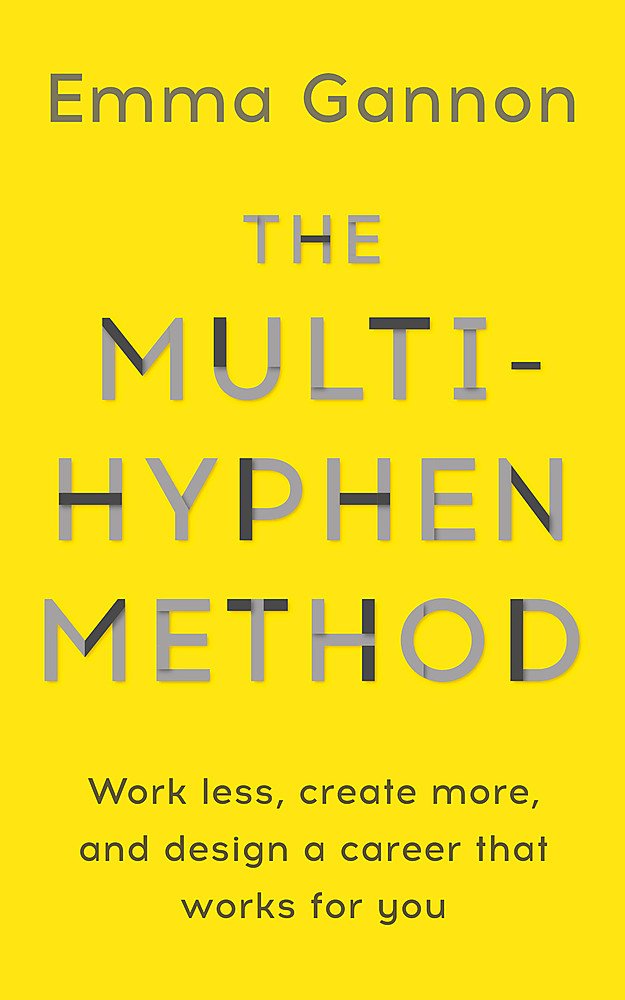
Although this book isn’t written exclusively for freelancers, it’s certainly a permission slip for anyone who is thinking about making the leap.
Emma Gannon talks alot about the rise of the side hustle and why everyone should have one, even if it’s just for fun.
I read this a few years ago before I had fully considered becoming a full-time freelance writer and it gave me a friendly nudge in the right direction. If I hadn’t read this book, I may never have dared to dream that starting my own business was even possible.
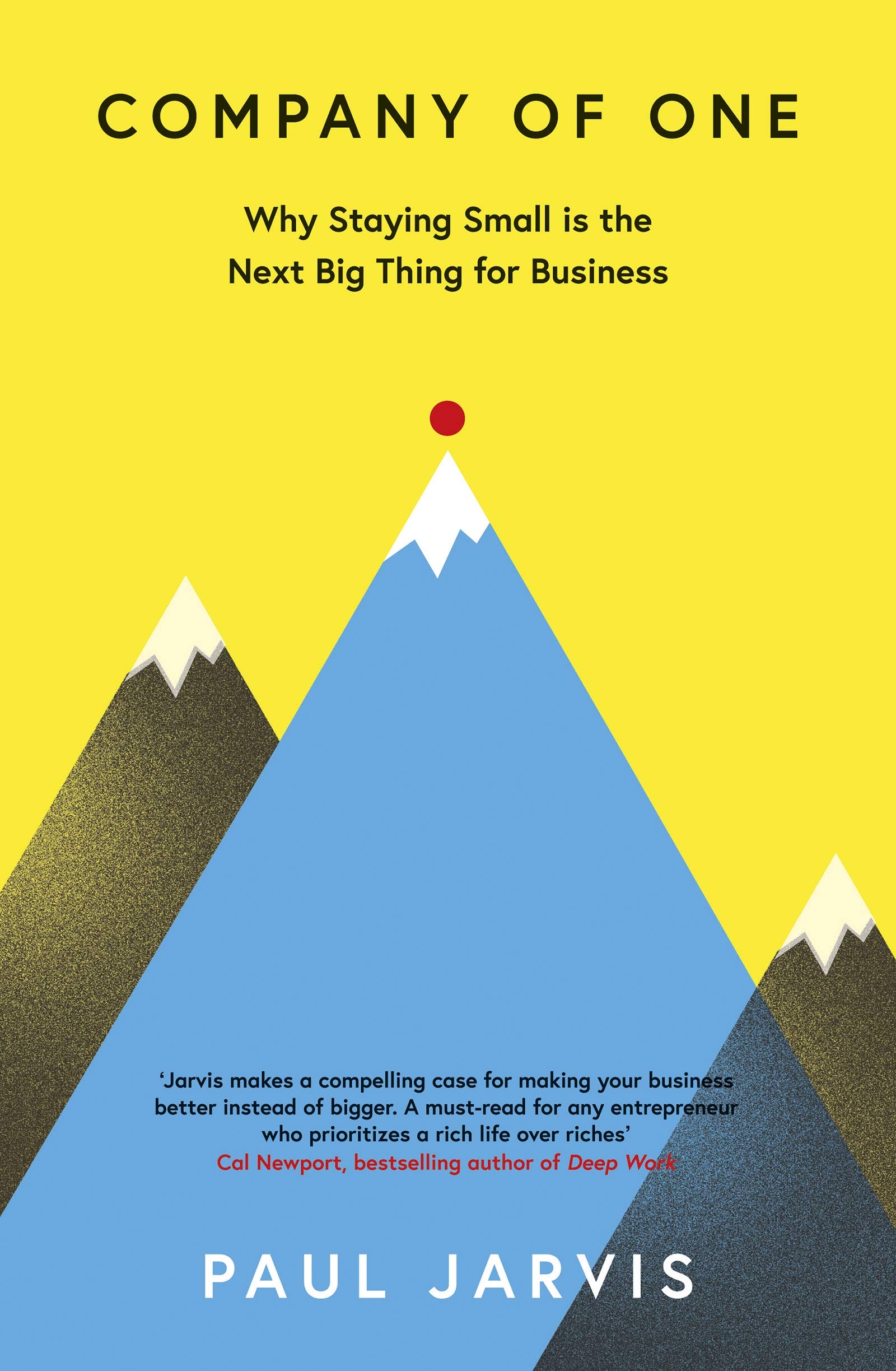
I’m only halfway through this book but I wanted to include it because I already feel like it’s shifted my mindset as a freelancer.
When you’ve been freelancing for a few years it can be easy to fall into the trap of thinking that you need to become a brand or a limited company to create a sustainable business model. This book refutes that idea, stating that staying solo is a sensible way to maintain flexibility as a freelancer.
If you dream of setting up multiple offices or managing a team then this book isn’t for you. But if, like me, you want to learn how to grow a business whilst working alone then this will definitely provide you with some helpful advice.
Outsourcing to a PR agency just isn’t an option for most freelancers.
Luckily, Lucy Werner has distilled her years of knowledge into a book which means that you won’t have to.
This book is incredibly practical, so prepare to fill a notebook as you work through the exercises and create to-do lists, boiler plates and lists of content ideas to promote yourself without ever needing to hire a professional.
The thing I loved about this book was the focus on figuring out the clients you want to work with. As a freelancer, I spent the first few years of my career saying yes to every and any piece of work that drifted my way. But Port encourages you to go through your current client list and be honest about who your enjoy working with and who you don’t.
He suggests culling the dud clients, which I’ve actually done. I’m not saying it was easy (farewell, steady income!) but it kick-started a whole new phase in my business where I’ve started tailoring my packages and marketing to attract the right people. The result? I’ve completely fallen in love with my work again.
In my book about freelancing, I wanted to hold my hands up and admit that I don’t know everything.
But that’s kind of the point. If I can make a go of freelancing whilst flying by the seat of my pants, then you can too.
For example, I didn’t have business insurance until I was halfway through writing Out of Office, and I only fully committed after interviewing Dinghy about how their services worked. I address all the questions that you’ve been too scared to ask (can you claim coffee as a business expense?) and all the ones you didn’t think you’d ever have to (how do you cope with burnout?).
If you want even more behind-the-scenes tips on living the Out of Office life don’t forget to listen to my podcast.
What are your favourite books about freelancing? Let me know in the comments below!