
by Fiona likes to blog | Sep 23, 2016 | DEPRESSION, LIFE
Now is the perfect time for me to get pregnant.
I’ve been with my partner for almost 12 years, we got married in 2015, we just moved to a new city where he’s got a good job and I work part time. Apart from owning our own house, we are in a good state of affairs at the moment. I’m turning 30 in December. If I haven’t got a bun in the oven in the next six months then when will I? That’s the burning question on everyone’s lips.
OK the truth is, no one actually cares that I haven’t had a baby yet. None of my friends have mentioned it, my parents are silent on the matter and my husband – like me – is more or less certain (never say never, right?) that he doesn’t want kids either. I don’t want a baby. So why do I feel obliged to have one? I can’t stop thinking that I should want one. Am I crazy?
I was brought up as the middle child and only girl in a happy family. Looking back I’m certain I was a normal kid. Nothing unusual happened that I could possibly blame for my strange fear of having babies. I played with dolls, wrapped them up in blankets and soothed their cries. I stroked their shiny little heads and held them tight to keep them warm. As I got older I cut my Barbie’s hair, changed her outfit and sent her off on her first date with Ken in the hope of starting a family in their wooden doll house that resided at the end of my bed.
The notion of a family is something I am 100% comfortable with. I love having siblings, I’m close to my parents and I understand the importance of having a loving support network. But for as long as I can remember, whenever anyone asked me about having children I’ve always been confident in my answer. Thanks, but no thanks.
Throughout my life everyone has told me in a very patronising manner that I will change my mind. I’ve never really questioned myself on the subject, it’s always been something I’ve been so certain about. But in the past year or so, I’ve been starting to wonder. Every other female on the planet seems to have this motherly urge bursting out of them but I can’t seem to identify it within myself no matter how hard I try.
There’s no denying that my age is playing a part in this ‘pressure’ that I’ve started to put on myself. In fact it’s not even really pressure. I just feel so acutely aware that my body is primed to do this thing, and if I don’t do it soon I might miss my chance. I’m turning 30 at the end of the year and although I’ve always been adamant that I don’t want to have any children, I suppose I always knew I could try if I ever changed my mind.
Assuming I’m able to physically have children, then I’ve always known I could do it if my heart desired. When you’re young you forget that there is a bit of a time limit on the task though. You think you have all this time to decide, but I feel like the window is getting smaller. I know there are plenty of women over 30 experiencing happy pregnancies and giving birth to healthy babies but for me, now is the time where I need to start thinking seriously about what I want and planning for the future. What do I really want?
I find as a woman I’m generally expected to do one of two things; have a career or have a baby. Since I’ve concluded quite firmly (kind of) that I don’t want a baby then I should be focusing on my career, right? Well, how about no. If I don’t need a baby to complete me then I certainly don’t need a job to do the same.
I’ve spent too many years wasting my life on jobs that drain me to continue down that road. My mental health has suffered so for now, I’m focusing on living a fulfilled and balanced life. In fact, my mental state is another reason why I don’t feel great about having a sprog.
I am so uneducated on the subject that didn’t even know until recently that if I was to get pregnant I would have to stop taking my anti-depressants. This is not something I’m ready to do yet. I tried about a year ago and I failed miserably, so I’m really not in a place to go through that at the same time as having my womb inhabited by a new human being.
If that wasn’t enough, I’ve actually read some posts from health professionals advising that us ladies with depression should seriously consider our decision to have a baby. The reason being that we are statistically more likely to suffer further mental health issues during and post pregnancy. I can’t imagine feeling strong enough to put myself in such a vulnerable position. I admire any woman who does – and to be honest mental health issues are so common that it seems unrealistic to give out this advice to everyone – I just don’t feel like I’m quite stable enough yet to take that risk.
So what now? Maybe I’m destined to be the quirky aunt or the weird godmother that every kid needs. Maybe if we get too old to have babies we’ll adopt. Maybe I’ll not be 100% sure until it’s already happened. Maybe I need to worry a little less….

by Fiona likes to blog | Sep 14, 2016 | ANXIETY, DEPRESSION, LIFE
I ran a poll on Twitter asking how to deal with negative people. Overwhelmingly the response was ‘avoid them’. Pretty harsh don’t you think? Everyone’s allowed a good old moan once in a while; in fact I think it’s healthy to get your grievances out in the open. Letting them fester and grind you down only breeds resentment and unhappiness, so I think we should all feel free to talk about what’s pissing us off without fear of being deemed ‘the negative one’. But when you’re faced with someone who is so continually unhappy, when every word that comes out their mouth is a ‘poor me’ sob story – how should you deal with it? I know that it can personally leave me feeling drained, lifeless and in need of an energy boost. Here’s my advice on how to stay happy whilst dealing with this…
Establish if it’s a one off
You should first of all, go into the situation completely open minded. It’s easy to presume you know what someone is going to say before they’ve even opened their mouth, but try and ignore how they may have overreacted in the past and listen carefully to what they are complaining about. Is this something that they complain about regularly? If not then maybe it’s just a one off. If that’s the case then they should be allowed to get it of their chest, be a good mate and listen. You never know when you might need them to listen to you whinge about losing your bus pass on the way home. Whatever is bothering them might not seem important to you but it clearly is to them.
Let them vent
This can be hard. When someone wants to highlight everything bad that has ever happened to them from primary school to present day, it will test your patience. However, it is helpful to let them vent. Shutting them down or trying to change the subject will only make them feel insignificant, giving them more reason to feel sorry for themselves. Take time to let them get it all out of their system and then you can offer and advice or pearls of wisdom you have hidden up your sleeve.
Have a moan as well
Fuck it. Screw positivity and seeing the silver lining on every cloud. Sometimes we all need to wallow in our own unhappiness for a few hours whilst eating peanut butter straight out of the jar. If you’re friend is complaining about something that you identify with -or something that you simply can’t seem to comfort them about – get stuck in there too and bitch about life.
Be active
If you know you’re going round to a friend’s house and they’re destined to be in a stinker of a mood, try and entice them into doing something to take their mind of it. Using up nervous energy is great way to release your natural endorphins too so exercise is a great option! You could suggest swimming, yoga or even a walk around the shops to help act as a distraction. I would also recommend getting them to try something out of their comfort zone as the feeling of satisfaction you get after doing something you’ve always avoided is exhilarating. Even something as simple as baking a cake together can lift someone’s mood. This will also help keep your mood elevated if you’re starting to feel the weight of acting as agony aunt 24/7.
Don’t let it affect your mood
OK, granted this is easier said than done but try your best to not take on other people’s baggage as your own. You can be a wonderful friend just by being available and lending a shoulder to cry on, you don’t have to solve anyone else’s problems for them. Take it all in and afterwards try to forget about it as much as possible. This might seem insensitive but it’s important to keep your own head straight. Practising mindfulness is a great way to do this as it forces all thoughts out of your brain, leaving you with nothing but empty space and time to breath, relax and feel ready to create your own happiness.

by Fiona likes to blog | Sep 12, 2016 | DEPRESSION, LIFE
I recently posted about my Self-care tips for when you’re depressed and whilst writing it I realised that it’s always with the help of my other half that I feel better. I’m not saying that you need a partner to feel good – not at all – but over the years he has managed to figure out through trial and error how to handle me when I’m at my lowest.
There are no magic words that will make someone feel better when they are depressed, but it can be terrifying and somewhat lonely for friends and families to talk to people suffering – so much so that they might avoid talking to them altogether. Avoiding the subject is the worst tactic in my opinion. It breeds guilt within the sufferer and makes them feel like an outsider, like they are making things difficult and can end up pushing them further away.

This is by no means a completed list of what to say – it’s just a few things that have worked for me. When I feel helpless and upset for no reason it’s important that I feel comforted, even when I can’t explain what exactly the problem is. I hope that if you know someone who deals with depression that you take the time to ask them if they are OK, and tell them that you’re there for them. Even these few simple words can make them feel less alone.
Have you comforted someone with depression? I’d love to read your comments below.

by Fiona likes to blog | Sep 7, 2016 | ANXIETY, DEPRESSION, LIFE
I was going to name this Tips for introvert bloggers! But then I realised I don’t actually have any tips, and I haven’t yet figured out if the whole world of blogging is actually a good thing or a bad thing for introverts. Is it heaven or hell?
Well first of all, no one ever thought to tell me that I was an introvert. Annoying really, because since I figured it out myself a few months ago it’s made me so much more aware of my behaviour, and has offered a somewhat reasonable explanation for why I act so weirdly unsociable at times.
I’m one of those people that can’t do too much in one day. My idea of hell is going on holiday with someone who uses an itinerary. Get out. I need down time, and lots of it thank you very much. I’m more than happy to climb up the Eiffel Tower with you but don’t expect a conversation all the way to the top, and at least reward me with a pain au chocolat break at the bottom. I need pit stops even in Paris.
In my day to day life, this means time to recharge between working and socialising with friends. It means leaving all the washing to pile up for a few days whilst I focus on sleeping more. It means going to the gym when I really should be making dinner. I need designated me time and a lot more than the average person.
When it comes to blogging, this need to be alone and reflect is actually a great thing. One of the things that helps me recharge is letting all my thoughts and feelings out in a blog post which I then share on the Internet! A little unorthodox but strangely therapeutic, you should try it. I’ve started writing everyday and I find it really helps me get things off my chest, allows me to relax without being lazy and gives me a sense of accomplishment without needing to be overactive or (heaven forbid) talk to others.

On the other hand, what comes along with blogging is the social aspect. Yes, the social aspect is mostly online; responding to comments, talking on Twitter, reading and complimenting other blogs – easy peasy. But realistically, I want to grow my audience and improve my content so there are a few instances that require, dare I say it, human interaction. I don’t have to go out and meet fellow bloggers, and the nature of my work means I can talk to them all online, but I’m scared that if I stop meeting new people I’ll somehow forget how to do it completely.
I’ve written about how blogging has improved my mental health but I don’t think it’s a substitute for talking face to face with people, and improving on my social skills for when they’re required. There’s no shortage of bloggers and You Tubers who are plagued with anxiety and depression; in fact you’d be forgiven for thinking it was included in the job description. Many of us claim blogging has given us a rewarding creative outlet and a way to talk to like-minded people, but the truth is it also gives us an excuse to hide behind a laptop, to tap away on our phones and avoid going out for the most part.
My advice? Enjoy the benefits. Enjoy the alone time that comes with blogging, but don’t be afraid to step out of your comfort zone because on the other side of fear lives success. To prove I’m not a total hypocrite I’ve even booked a place on my first bout of social media training, the Social Day in Birmingham, and I’ve joined all my local blogging chats to stay in the loop about the next meet up I can attend. I’ll keep you all updated and report back, I know I’ll survive and the positive outcomes will be worth every struggle.

by Fiona likes to blog | Sep 6, 2016 | ANXIETY, DEPRESSION, LIFE
I’ve not realised until recently how important writing is to me. I’ve started doing it everyday, it’s definitely become a habit but an enjoyable and healthy one at that. I still have ongoing mental health issues and probably always will, but finding a hobby I enjoy has been really helpful for me, here’s why…
It gives me structure
I currently work part time at my day job and use the rest of my time to do some freelance work as well as my own blog. The need to write everyday has given me a more structured day which is really important for keeping me on a somewhat even keel. I don’t cope with change well, so establishing a healthy routine everyday is cruical to helping me feel in control of my life.
I know I can’t really blog in the evenings because I want to spend time with my husband, so this forces me to set loose working hours during the day that fit around my day job. I normally write in the afternoons when I finish work, edit pictures and share posts on social media. The next morning I will do a final read through of that day’s post or project and publish it or send it off via email.

I spend the rest of the day replying to comments, talking on Twitter and planning my next post to write that afternoon. This helps me keep busy in between meals, stopping me from fixating on food and also stops me from taking naps at random times in the day. Since I started writing everyday I also don’t watch any TV until after dinner, so that’s a good thing!
I can organise & communicate my thoughts
As an introvert I naturally shy away from too many social engagements and this is only agravated by my anxiety around people. Holding a conversation with someone is quite taxing for me, and I find polite chit chat incredibly hard to mainain for extended periods of time. It’s like I can feel the life draining from me as I try to stay alert and focused. It’s not that I don’t have anything to say, more that I just can’t find the confidence to say it.
With writing I can grab a pen and my journal and just take note of whatever I’m thinking at that moment, without fear of having it come out wrong, offend someone or be made fun of for it. I can get my feelings out of my head and onto paper where I can read them again, analyse what’s going on and then form it into a blog post if I think it’s of any interest.
Although this might seem completely anti-social, for me it’s like having a practise conservation with myself before releasing it to the world for comment. The blogging community has led me to use Twitter a lot more which is a great way for me to meet like minded people, especially as I’ve just moved to a new city where I don’t know many people. Once my blog post goes live I can share it, talk to other people about it online and read other posts on similar topics.
It’s a creative outlet
I have always been mildly creative in my life. I say mildly because I don’t ever recall feeling compelled to draw. I just did it because I was bored. I wasn’t obsessed with writing music but I did it now and again, and went through phases of being in a band and playing a few instruments. I didn’t wake up and write poems everyday but I really enjoyed penning creative stories when the teacher asked for them. I studied Music for three years at university and after realising it wasn’t for me I just naturally stopped being creative.
The problem with depression and anxiety is that often you are bombarded with people asking “How do you feel?” and “What are you thinking?” The truth is that sometimes it’s impossible to describe. It’s a sense of being that’s so overwhelming it’s hard I even spend time delving in for a closer look. It’s too much. Then once in a while I’ll hear a lyric or even just a melody, maybe one single note played on the piano that effortlessly sums up every thought in my head and every fibre of my being.
I personally feel a great benefit from having a creative outlet, not just in the form of writing but in coming up with my blog images, layout and even my Instagram. There is nothing groundbreaking about my content. But the feeling of creating something that only exists because I chose to make it, is a wonderful feeling and a form of expression that should be celebrated.
Have you found a hobby that helps improve your mental health? I’ve written a lists of my top 10 hobbies for depression to give you some inspiration!

by Fiona likes to blog | Sep 2, 2016 | DEPRESSION, LIFE
Self-care has become a bit of a buzzword online recently, and although it is quite annoying I genuinely do think that a lot of people could benefit from a go-to routine for taking care of themselves when they feel mentally or physically worn out.
Since being diagnosed with depression and generalised anxiety disorder 4 years ago I’ve had to find ways to calm down, relax, get motivated… to basically try and bring my energy either up or down depending on where my head’s at. It’s not easy, so I’m sharing my tips for showing yourself some love on days where the world seems like too much to deal with.
Please bear in mind that this self-care advice should not be used in lieu of medical help but is simply based on my own personal experience with depression.
Eat well
If you’ve been reading my blog for a while you’ll know I have a complicated relationship with food. On my low days I stereotypically avoid eating all day because I associate it with guilt and being overweight. Bad idea. This inevitably ends up with me overeating in a monumental fashion late in the day, usually in the form of ice cream, chocolate and an assortment of baked goods. Aaaand cue more guilt. Not a good state of affairs and certainly not a good example of self-care.
To stop this cycle I’ve learned to start my day with a well balanced meal containing protein, carbohydrate and fat e.g. Cheese and onion omelette with a side of porridge oats, or full fat Greek yoghurt with berries. I try not to restrict foods on my bad days because chances are I’ll get emotional and this is a trigger for me to binge on unhealthy foods.
If I allow myself a few treats throughout the day as I crave them this seems to keep my emotional eating at bay and avoids the blood sugar roller-coaster I seem to go through when I deny myself things like carbs and fat.

Take it slow
My husband truly deserves a medal for handling me on a bad day. He is so good at letting me take my time, and he has made me realise that the worst thing I can do is to rush myself on these days. If I think about all the little things that need done – taking a shower, washing, drying and straightening my hair, putting on make up, finding an outfit – I feel totally overwhelmed and just hide under the covers until it’s dark again.
Without sounding patronising, my advice is to only think about the task you’re doing that very moment, and to take it in baby steps. That’s at the heart of my self-care plan and why I think it’s so successful (check out this little cleaning checklist I made too). The biggest hurdle for me is always getting in the shower. Pre-wash I feel like I will crumble at any moment and can’t string a sentence together. I’ll cry all the way through the shower and by the time I’ve washed and conditioned my hair I’ve exhausted myself enough to stop for a breath.
Sound familiar? We probably have loads in common! You might want to check out my free eBook where I talk in depth about how I got help for my mental breakdown and managed my recovery.
Somehow after a good ‘shower cry’ the world doesn’t seem quite so horrendous. Also, I need to point out the importance of washing my hair when I feel this depressed. Beforehand the task seems monumental, but when I’ve done the deed I honestly feel born again when I have clean hair. It’s a key part of my regime, not to be overlooked.
If I need to lie around for 2 hours before I consider make up and hair styling then so be it. In fact, sometimes it’s more helpful not to attempt it at all and just enjoy a make-up free face and messy hair. If I can find time, I also like to do another beauty treatment like a face mask or painting my nails just give myself that little bit of extra attention.
Rest
This might seem like an obvious thing to do, and you’ll probably want to succumb to sloth-like behaviour when you’re feeling low but it’s worth considering how you can truly feel rested in body and mind. When my brain is in overdrive, thinking about all the things I have to do and how crap I am as a human being I find if helpful to work off some of that nervous energy to allow me to ultimately feel more relaxed.

I personally really enjoy the gym as part of my self-care routine, so if I feel like I have enough energy to do a light workout then I will, and I like the feeling of achievement that comes from doing that. On the other hand if I was planning a workout and I woke up feeling incredibly low, I’ve learned it’s OK to change my plans and do absolutely nothing.
Obviously you don’t have to go to the gym if that’s not your thang, but sometimes a walk round the block and some fresh air will help tire you out enough to get a good sleep. A lot of medical professionals say you shouldn’t sleeping during the day when you have depression because it creates a unhelpful sleeping pattern but when I’ve hit a bad one and look like a zombie, an afternoon snooze is impossible to avoid. It works for me once in a while and I try not to make a habit of it.

Take a sick day
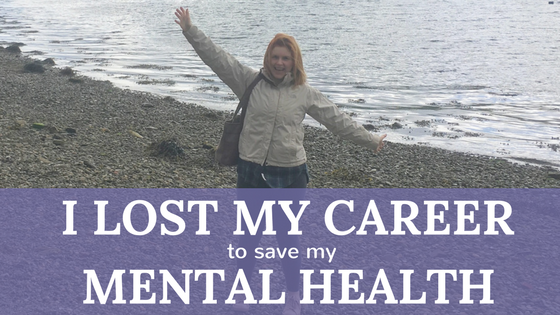
Sometimes you’ve got to bite the bullet and accept that you’re not fit for work. I personally find this incredibly hard to get my head around, so much so that I make myself ill at work and ended up giving up my career to focus on my mental health.
Although I’m not recommending you quit your job after one bad day, I think there’s some benefit to taking stock of your situation. How often are you feeling depressed? Is it normally after work? Is your job stressing you out the point where you feel like you can’t cope?
For me, stress is a trigger for anxiety and depression so being in a management role was too much for me to handle. Start by taking a sick day and imagine how your mood would be affected if you were in a different work environment.
Go make up-free
This might seem impossible to some of you – I know make up can act like a suit of armour when you’re feeling like crap – but give it a try. I swear by having at least one make up-free day per week because it makes me feel so much more comfortable. I hate taking make up off at the end of the day (mascara, why you so stubborn?) so having a bare face all day is great for when I’m feeling particularly lazy.
Make up is cool for when you want to amp up your confidence, but sometimes I just need to be honest with myself. I’m not OK and no amount of make up is going to make me feel otherwise. I’ve actually written a really detailed account of why I go make up-free and how I built myself up to do it with a super simple skincare routine. You can check out the deets here.
Take care of the physical symptoms
Your mental health is so much more than what’s going on inside your head. A relapse in my depression is often accompanied by changes in my body, which is an indicator that I need to take better care of myself.
I’ll often gain weight because I’m less active or am drawn to eating more comfort food than usual. I experience extreme fatigue and can easily sleep for 10 hours a night as well as 2-3 hour nap in the afternoon.
This isn’t laziness, although the voice in my head likes to tell me otherwise. I simply need to recharge my energy waaay more than the average person because my mind is under so much stress. I’ve written in detail about weight gain/loss, panic attacks and muscle tension in this post here.
Try and be conscious and forgiving of any physical symptoms you observe during a depression episode. They’re not to be dismissed as a sign of weakness, but instead a sign that you need to slow down and take care of yourself.
What are your self-care tips for depression?


